
Weeknight Yaki Udon Noodle Recipe
30-MINUTE MEALS! Get the email series now

Weeknight Yaki Udon Noodles

5 from 1 vote
1 Comments
Jessica
By: JessicaUpdated: May 5, 2026
This post may contain affiliate links. Please read our disclosure policy.

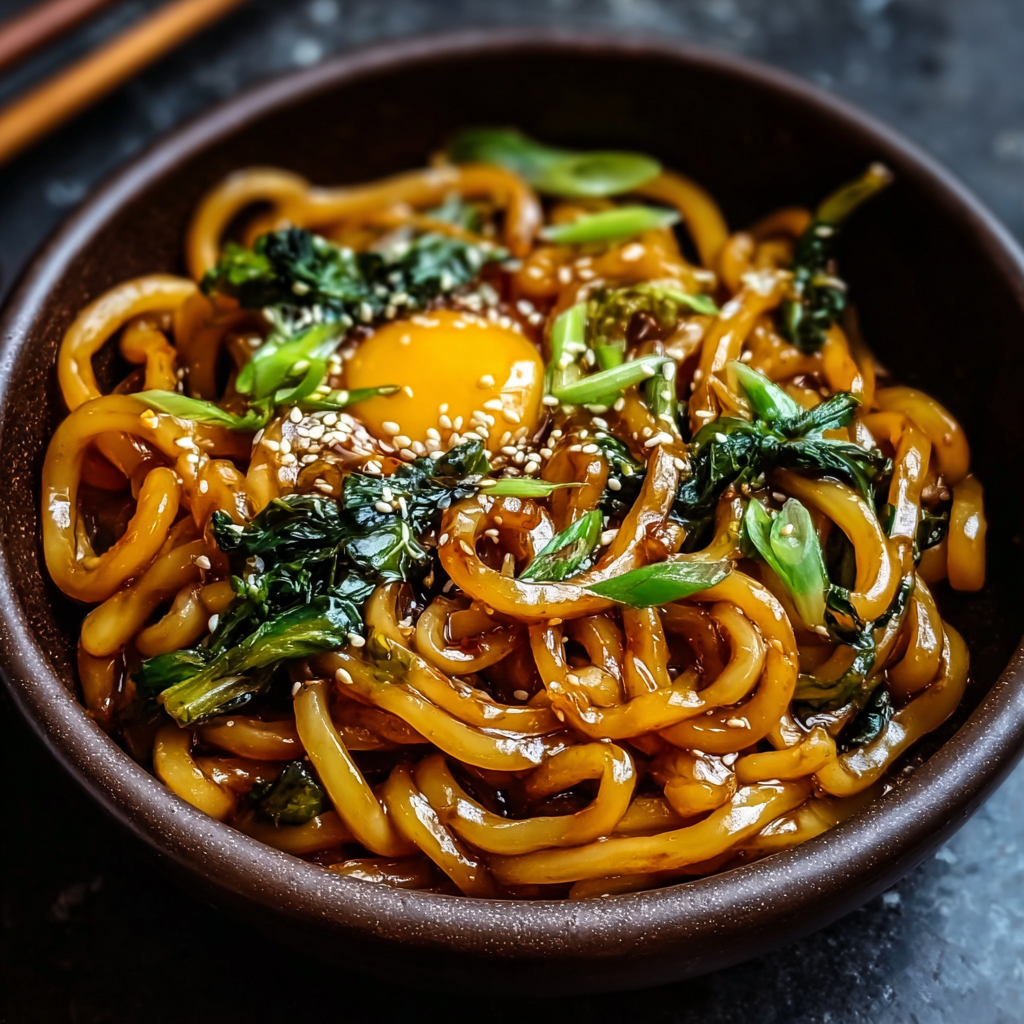
A quick, savory stir-fry of udon noodles with tender chicken, crisp vegetables, and a simple soy-sesame glaze — ready in about 25 minutes.
Weeknight Yaki Udon Noodles
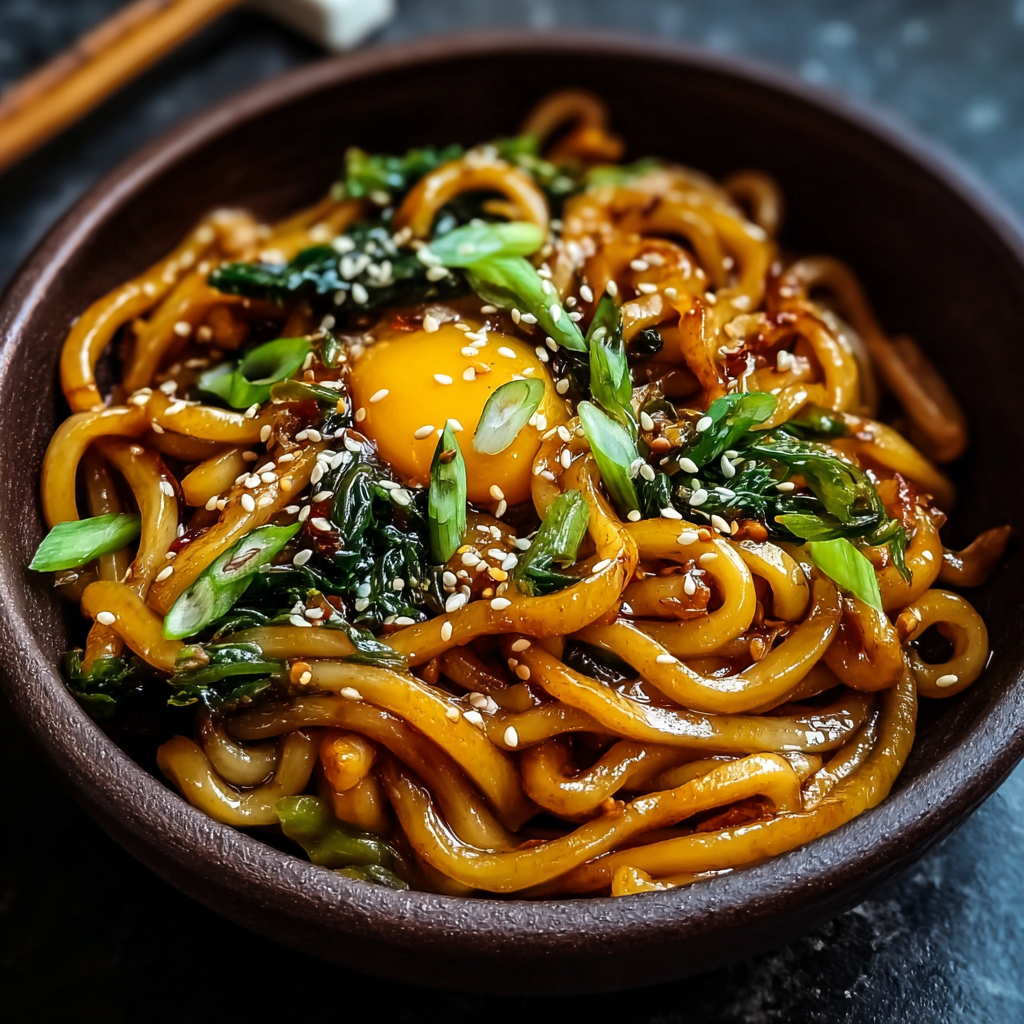
This Yaki Udon dish became my fall-back weeknight supper the first time I needed something fast, flavorful, and forgiving. I discovered the combination of chewy udon, bright vegetables, and a simple soy-sesame sauce on a rainy evening when the pantry and fridge offered just a handful of items. The result felt restaurant-worthy: glossy noodles that picked up a salty-sweet glaze, juicy slices of chicken that stayed tender, and vegetables that retained a crunchy freshness. It’s the kind of meal that warms you up without weighing you down, and my partner still remembers the first time I served it with a sideways grin and a bowl he finished in record time. What makes this preparation special is the balance of textures and the speed. The udon holds sauce beautifully, the quick stir-fry keeps carrots and bell peppers lively instead of mushy, and a final minute of garlic transforms the aroma into something irresistible. I learned a few small technique adjustments over several trials — like rinsing cooked noodles under warm water so they separate, and not crowding the pan when browning the chicken — that make the difference between a messy stir and a perfectly glossy toss. This method is forgiving enough for busy cooks but specific enough to deliver consistent results.

Why You'll Love This Recipe

  • Ready in about 25 minutes from start to finish, it’s perfect for busy weeknights when you want big flavor without a long prep time.
  • Uses pantry staples and simple produce: udon noodles, soy sauce, sesame oil, carrots and bell pepper — easy to source year-round.
  • Hands-off cooking time is short; most of the work is quick slicing and a few minutes at the skillet, so it’s low-stress.
  • Adaptable to dietary needs: swap chicken for tofu or shrimp, or use tamari for a lower-sodium soy alternative.
  • Make-ahead friendly: noodles and sauce can be prepared earlier and quickly finished in the pan, making it ideal for meal prep.
  • Crowd-pleasing texture contrast — chewy noodles, tender meat, and crisp vegetables — that works for picky eaters and adventurous palates alike.

I’ve served this at casual dinners and quiet solo nights; family reactions always skew positive because it hits familiar, comforting flavors while still feeling a little special. Once, I doubled the amount and brought it to a potluck — people asked for the recipe all evening.
Ingredients

  • 8 oz udon noodles: Use fresh or frozen udon if possible for the best chew; dried works too — choose the brand you prefer. Fresh udon (often labeled refrigerated) gives the classic bouncy texture and heats quickly.
  • 1 tbsp sesame oil (divided): Toasted sesame oil provides toasty aroma and flavor. Use a neutral oil for cooking if you prefer, but reserve at least 1/2 tablespoon toasted sesame for finishing or flavoring.
  • 1 cup boneless chicken breast (sliced): Thinly sliced breast cooks quickly and stays tender when not overcooked. You can use thigh for more juiciness; slice against the grain for the best bite.
  • 1 cup bell peppers (sliced): I use a mix of red and yellow for sweetness and color. Slice into thin strips so they cook in the same time as the carrots.
  • 1 cup carrots (julienne): Julienne or use a peeler for thin ribbons — they soften quickly and keep a nice snap. Baby carrots can be shredded as a shortcut.
  • 2 green onions (chopped): White and green parts both add flavor; reserve some green tops for finishing garnish.
  • 3 tbsp low-sodium soy sauce: Low-sodium gives better control of salt; sub tamari for gluten-free alternatives, understanding that it will change the gluten content.
  • 1/2 cup vegetable broth: Adds moisture and a mild savory base so the sauce coats the noodles without being too salty. Chicken broth works well too.
  • 2 garlic cloves (minced): Add during the last minute of cooking to keep the garlic bright and prevent burning; fresh garlic is best for aroma.

Instructions

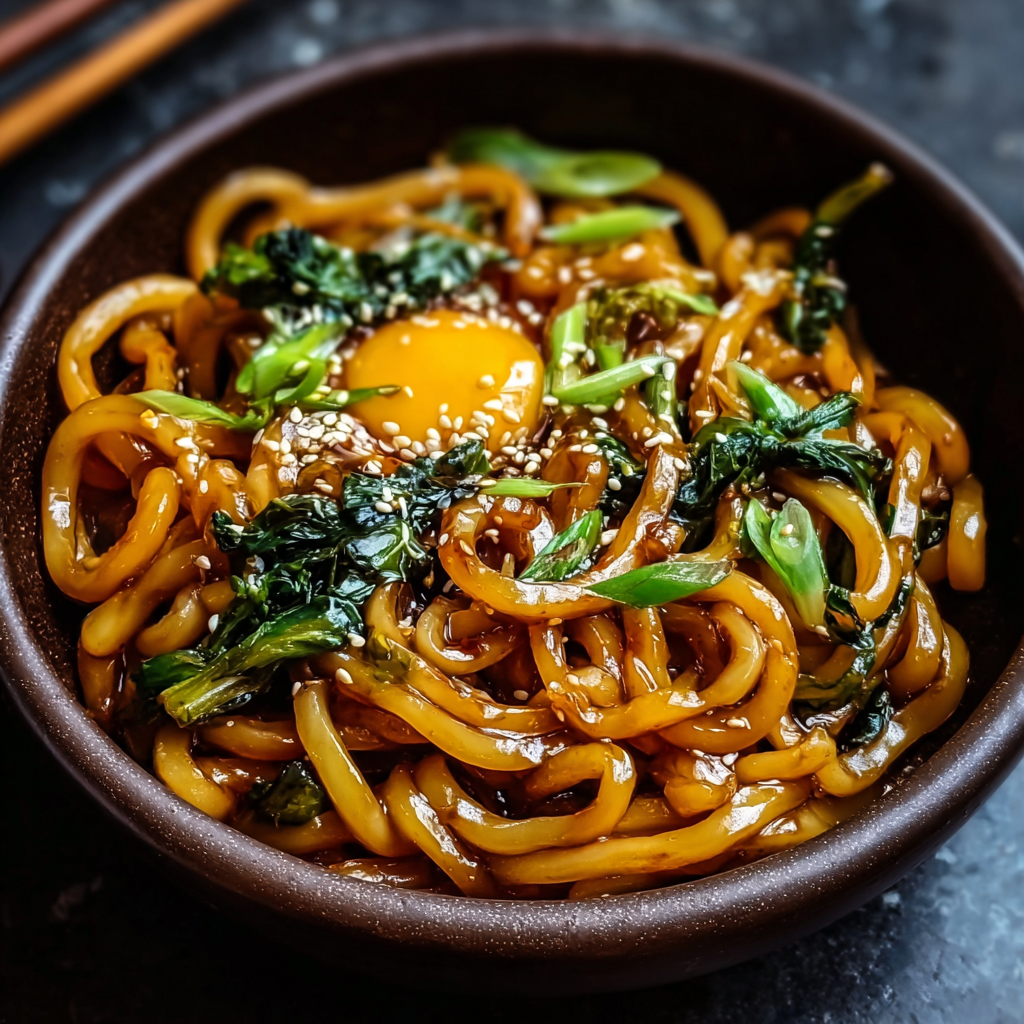
Prepare the noodles: Cook 8 ounces of udon according to the package directions — usually a few minutes in boiling water for fresh or frozen noodles, longer for dried. Drain, then rinse briefly under warm water and toss with a drizzle (about 1/2 teaspoon) of sesame oil to prevent sticking. Set aside so the noodles are warm and separated when they hit the pan. Brown the chicken: Heat 1/2 tablespoon sesame oil in a large skillet or wok over medium-high heat until shimmering. Add the sliced chicken in a single layer and let it sear without moving for about 1 minute to get a golden edge, then stir and cook for 4–6 minutes until cooked through and no longer pink. Transfer the chicken to a plate; avoid overcooking — it will cook a touch more later when combined with the sauce. Stir-fry the vegetables: In the same skillet, add the remaining sesame oil if the pan looks dry. Add the sliced bell peppers and julienned carrots and stir-fry over medium-high heat for 3–4 minutes. You’re aiming for tender-crisp — bright color and a little bite remain. If vegetables begin to brown too quickly, reduce heat slightly. Combine and sauce: Return the cooked chicken to the skillet with the vegetables. Add the udon noodles, 3 tablespoons low-sodium soy sauce, and 1/2 cup vegetable broth. Toss or use tongs to combine everything, letting the sauce reduce and coat the noodles. Cook 2–3 minutes until heated through and the liquid has mostly evaporated into a glossy coating. Finish with garlic and green onions: Stir in the minced garlic during the last minute of cooking so it softens and becomes fragrant without burning. Remove from heat, sprinkle the chopped green onions on top, and toss once. Serve immediately in warmed bowls. User provided content image 1

You Must Know

  • This dish freezes well for up to 3 months if you separate portions into airtight containers; thaw overnight in the refrigerator before reheating in a skillet to preserve texture.
  • High in carbohydrate thanks to the udon; adding extra vegetables or swapping some noodles for shredded cabbage reduces carbs and boosts fiber.
  • Low-sodium soy sauce helps control salt; always taste before adding extra — the broth and sesame oil carry strong flavor.
  • Cook in a hot skillet and avoid overcrowding to achieve a good sear on the chicken and to keep vegetables crisp.
  • Great source of lean protein (chicken) and colorful vegetables, making it a balanced, quick evening option.

My favorite thing about this preparation is how adaptable it is: I’ve swapped the protein for tofu or shrimp depending on what I have, and the method still shines. Once I taught a friend to make it and she texted a photo of an identical glossy pan — she’d nailed the toss. These small victories keep me coming back to this formula.
User provided content image 2

Storage Tips

Cool leftovers to room temperature within an hour and store in airtight containers in the refrigerator for up to 3 days. For freezing, divide into single portions in freezer-safe containers and label with the date; consume within 3 months. To reheat refrigerated servings, warm a skillet over medium heat with a teaspoon of oil or a splash of water, then add the noodles and toss until steaming. Microwaving works in a pinch, but stirring midway through helps heat evenly. If the noodles have absorbed too much sauce after storage, add a tablespoon of water or broth while reheating.

Ingredient Substitutions

If you need to swap ingredients, try firm tofu or peeled shrimp for the chicken — for tofu, press out moisture and pan-sear until golden; for shrimp, cook just until opaque. Use tamari to reduce wheat exposure, understanding most udon contain wheat so the dish won’t be gluten-free unless you replace the noodles with rice noodles or a gluten-free udon alternative. Swap vegetable broth for chicken broth for more savory depth, or use mushroom broth for an earthier flavor. Avocado oil or neutral oil can replace sesame oil during high-heat cooking; reserve toasted sesame oil for finishing flavor.

Serving Suggestions

Serve the yaki udon in shallow bowls garnished with extra chopped green onions and a small drizzle of toasted sesame oil for shine and aroma. Add a sprinkle of toasted sesame seeds and a few pickled ginger slices for contrast. This pairs nicely with a simple cucumber salad or steamed edamame for a complete meal. For a heartier table, offer gyoza or a light miso soup on the side. For a casual family meal, set out chili oil and lime wedges so guests can customize heat and acidity.

Cultural Background

Yaki udon is a Japanese-inspired stir-fried noodle preparation that highlights thick, chewy udon noodles tossed with vegetables, protein, and savory sauce. While not an ancient traditional dish, it borrows techniques from classic Japanese stir-frying and izakaya-style cooking and has become a popular home-cooked and street-food style meal. Regional variations include different proteins, sauces, and additions like cabbage or mushrooms, reflecting local tastes and available ingredients.

Seasonal Adaptations

In spring, add snap peas and asparagus tips for brightness. Summer benefits from bell peppers and a squeeze of lime to lighten the sauce. In autumn and winter, swap carrots for sautéed shiitake mushrooms, thinly sliced cabbage, or roasted kabocha squash for earthier flavors. For holiday dinners, double the recipe and serve family-style alongside steamed greens and pickled vegetables to balance richness.

Meal Prep Tips

Make components ahead: cook and cool noodles, slice protein and vegetables, and mix the sauce in a jar. Keep everything refrigerated separately for up to 24 hours. When ready, heat your skillet, quickly sear the protein, add vegetables, then the noodles and sauce — this quick finish preserves texture and yields the best results for reheated components. Use shallow, wide containers to cool quickly for food safety when prepping multiple portions.

Give this formula a try as written and then personalize it: increase the vegetables, switch the protein, and play with aromatics like ginger or chili for extra kick. It’s fast, flexible, and reliably comforting — the kind of dish you’ll make again and again.

Pro Tips

  • Rinse cooked udon under warm water and toss with a little sesame oil to prevent sticking and keep noodles separate.

  • Don’t overcrowd the pan when browning chicken; sear in a single layer for best color and texture.

  • Add minced garlic at the last minute to keep it fragrant and avoid bitter burnt garlic.

This nourishing weeknight yaki udon noodles recipe is sure to be a staple in your kitchen. Enjoy every moist, high protein slice — it is perfect for breakfast or as a wholesome snack any time.

FAQs about Recipes

Can I use dried udon noodles?

Use fresh or frozen udon for the best chewy texture; dried udon works but needs a slightly longer cook time.

How can I make this vegetarian or pescatarian?

Yes, replace chicken with firm tofu (pressed and seared) or shrimp (cooked until opaque) using the same timings.

Tags

International FlavorsYaki UdonNoodle RecipeWeeknight DinnerStir-FryJapanese-InspiredChicken
No ratings yet

Weeknight Yaki Udon Noodles

This Weeknight Yaki Udon Noodles recipe makes perfectly juicy, tender, and flavorful steak every time! Serve with potatoes and a side salad for an unforgettable dinner in under 30 minutes.

Servings: 2 steaks
Weeknight Yaki Udon Noodles
Prep:15 minutes
Cook:10 minutes
Rest Time:10 mins
Total:25 minutes

Instructions

1

Cook and prep noodles

Bring a pot of water to a boil and cook the udon according to package instructions. Drain, rinse under warm water to remove excess starch, toss with a small drizzle of sesame oil to prevent sticking, and set aside warm.

2

Sear the chicken

Heat 1/2 tablespoon sesame oil in a large skillet over medium-high heat. Add sliced chicken in a single layer, sear without moving for about 1 minute, then stir and cook an additional 4–6 minutes until cooked through. Transfer to a plate.

3

Stir-fry vegetables

Add remaining sesame oil to the skillet if needed. Add bell peppers and carrots and stir-fry for 3–4 minutes until tender-crisp, maintaining bright color and slight bite.

4

Combine and sauce

Return chicken to the skillet, add udon noodles, 3 tablespoons low-sodium soy sauce, and 1/2 cup vegetable broth. Toss with tongs and cook 2–3 minutes until noodles are evenly coated and sauce reduces to a glossy finish.

5

Finish and serve

Stir in minced garlic during the final minute of cooking, remove from heat, garnish with chopped green onions, and serve immediately.

Last Step: Please leave a rating and comment letting us know how you liked this recipe! This helps our business to thrive and continue providing free, high-quality recipes for you.

Nutrition

Calories: 520kcal | Carbohydrates: 60g | Protein:
30g | Fat: 14g | Saturated Fat: 4g |
Polyunsaturated Fat: 3g | Monounsaturated Fat:
6g | Trans Fat: 1g | Cholesterol: 253mg | Sodium:
0mg | Potassium: 953mg | Fiber: 0g | Sugar:
0g | Vitamin A: 577IU | Vitamin C: 3mg | Calcium:
47mg | Iron: 6mg

Did You Make This?

Leave a comment & rating below or tag
@festive-cooks on social media!
Weeknight Yaki Udon Noodles

Categories:

Weeknight Yaki Udon Noodles

Did You Make This?

Leave a comment & rating below or tag @festive-cooks on social media!

Rate This Recipe

Share This Recipe

Enjoyed this recipe? Share it with friends and family, and don't forget to leave a review!

Comments (1)

Leave a Comment

0/1000 characters
Food Lover
1 day ago

This recipe looks amazing! Can't wait to try it.

Rating:

Comments are stored locally in your browser. Server comments are displayed alongside your local comments.

Family photo

Hi, I'm Jessica!

Chef and recipe creator specializing in delicious International Flavors cooking. Passionate about sharing easy-to-follow recipes that bring families together around the dinner table.

30-Minute Meals!

Join to receive our email series which contains a round-up of some of our quick and easy family favorite recipes.