>>

Soft, slightly chewy Turkish-style flatbreads cooked on the stovetop — no oven required. Ready with pantry staples and perfect for sandwiches, dips, or breakfast.
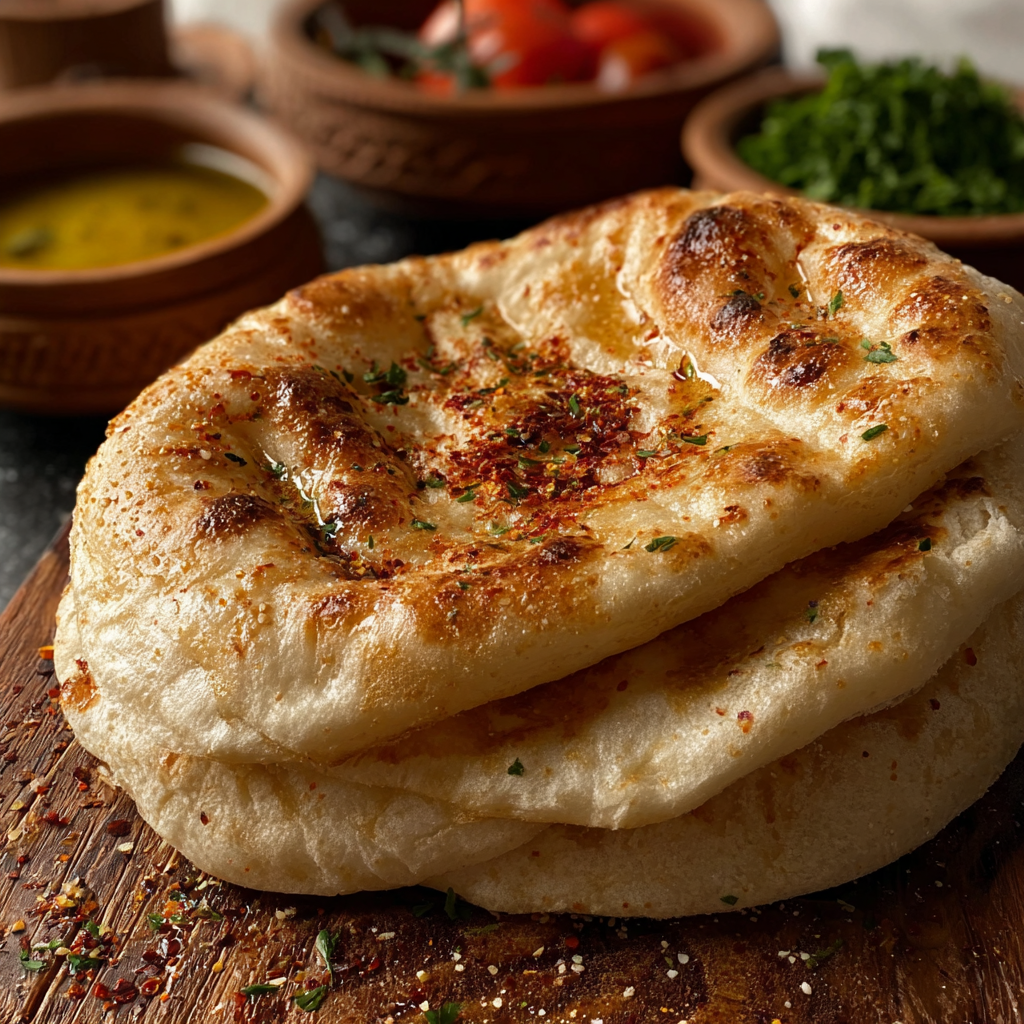
This stovetop Turkish flatbread became my go-to when an unexpected power outage in winter left me without an oven. I discovered the technique while trying to recreate a warm bakery loaf my grandmother used to buy, but I wanted something quicker and fuss-free that still had the same pillowy interior and crisp, lightly blistered exterior. These rounds — about 7 inches across and 1/16 inch thick — bake beautifully on a heavy pan: they puff, blister, and then deflate into soft, flexible breads that sop up olive oil and sauces. Every time I make them the house smells like a tiny bakery and the kids fight over who gets the first one straight from the pan.
What makes this method special is the balance between a short, simple dough and the cooking technique. The dough only needs basic mixing and kneading, then a single proof until doubled. On the stovetop, medium heat encourages quick bubble formation; lowering the flame lets the interior steam and set, which is what gives the bread its classic pocket-like puff. These rounds are slightly chewy with a tender crumb and a golden, blistered surface. They remind me of the morning my sister and I flipped dozens of them for a family brunch: everyone lined up at the table, tearing bread and dipping it into herb butter and jam.
I remember the first time I served these to guests: they thought I’d run out to buy bread. They loved the tender crumb and the way the edges crisped in the pan. Making them became a small ritual — I now keep a jar of active dry yeast in the fridge and a baking-weighted pan on the shelf for days when warm, fresh bread is a must.
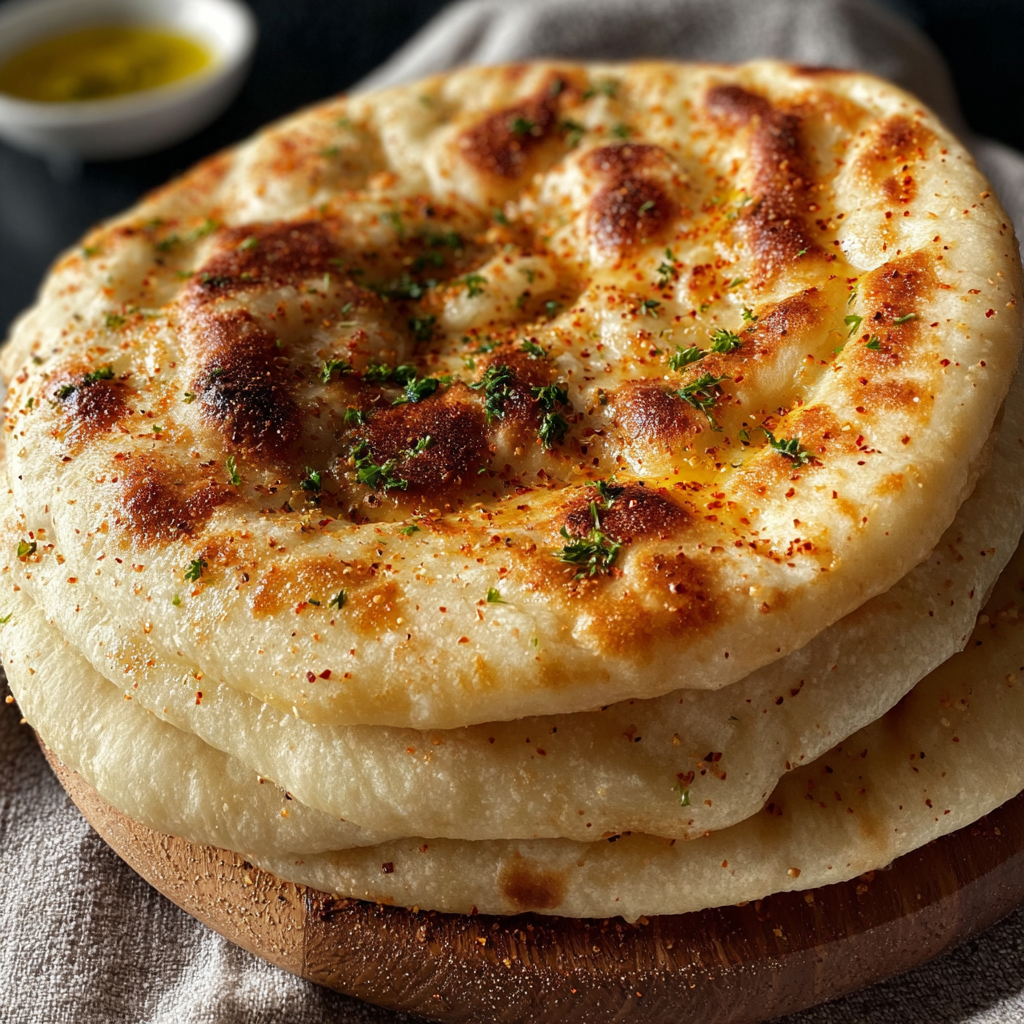
My favorite aspect is how forgiving this method is: even if a round fails to puff dramatically, it will still taste wonderful when brushed with butter and torn warm. I learned to rescue under-proofed pieces by letting them rest an extra 10 minutes and re-rolling gently — patience almost always rewards the baker. Family members often request extras, and I enjoy showing newcomers how a simple skillet transforms pantry staples into warm, comforting bread.
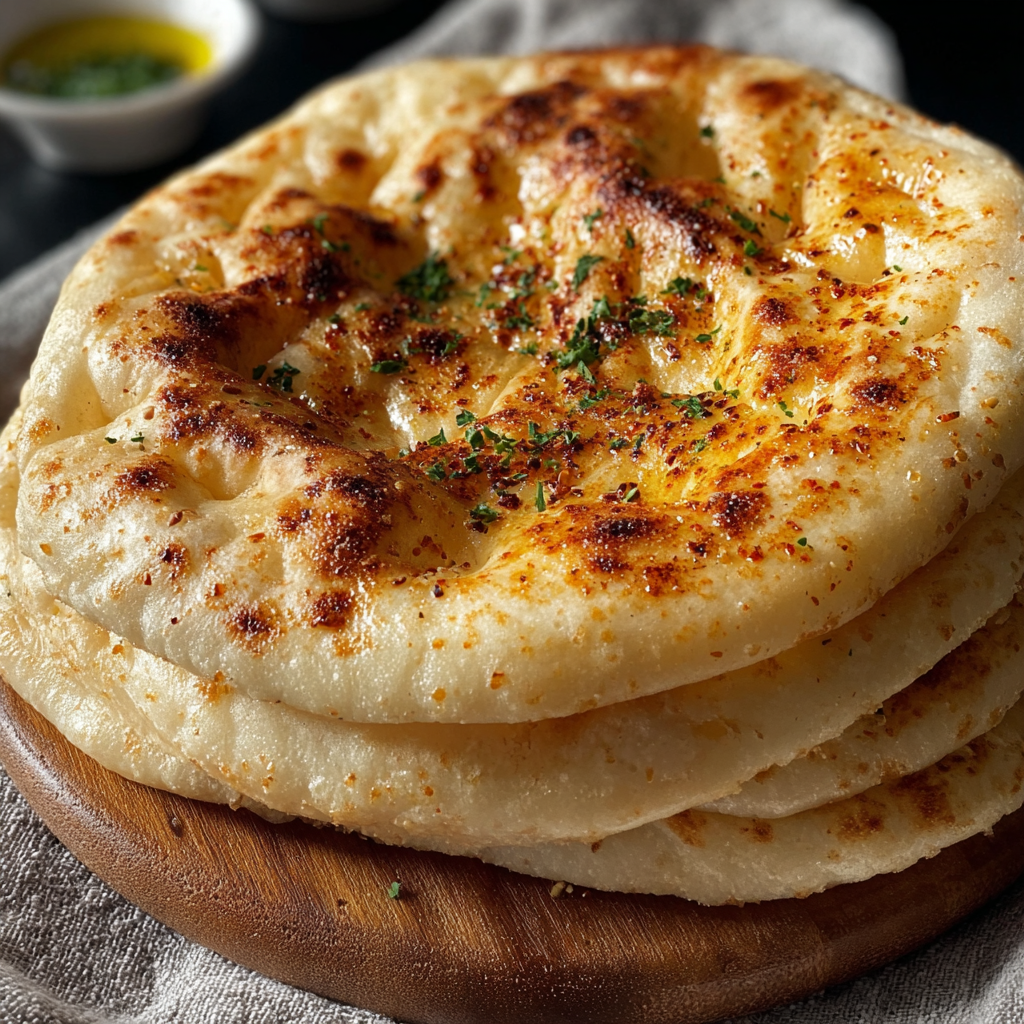
Store cooled breads in a zip-top bag or airtight container at room temperature for up to 24 hours. For longer storage, place rounds separated by parchment in a freezer-safe bag and freeze for up to 3 months. To reheat: thaw at room temperature, then warm in a skillet over low heat for 30–60 seconds per side or wrap in foil and heat in a toaster oven. Avoid microwaving for long periods — it makes them chewy rather than soft and tender. If you plan to meal prep, par-cook and cool breads, then freeze; finish in a hot pan right before serving to restore surface crispness.
If you want to avoid dairy, replace warm milk with an equal amount of warm water or unsweetened plant milk (soy or oat are best for mouthfeel). For a whole-grain version, swap up to half the flour for whole-wheat and add 1–2 tablespoons extra water to compensate. To make them vegan, use olive oil instead of butter for brushing. If you’re out of instant yeast, use active dry yeast (increase to about 2 tablespoons and proof it in the warm liquid for 5–7 minutes until bubbly). Keep in mind that higher-hydration doughs will be stickier but often produce a softer crumb.
Serve warm with olive oil and za'atar, yogurt-based dips, or alongside shakshuka, grilled meats, and mezze spreads. For breakfast, split and stuff with scrambled eggs, feta, and herbs or use as a base for open-faced sandwiches topped with labneh and roasted tomatoes. They pair well with seasonal salads and stews; for a celebratory touch, brush with garlic butter and sprinkle sesame seeds. Presentation-wise, stack them in a linen-lined bread basket to keep them warm and soft at the table.
Flatbreads are an essential element across Anatolia and the eastern Mediterranean, with regional names and techniques varying by town and household. This stovetop method mirrors traditional home techniques where hearths and pans were common cooking tools. In villages, breads were often shaped and baked on hot griddles or pans; the quick cooking preserved moisture while achieving a charred, fragrant surface. While not identical to every regional variety, these rounds celebrate that same heritage of simple, communal baking.
Adapt the recipe by incorporating seasonal flavors: spring greens and chopped dill stirred into the topping, summer tomatoes and fresh oregano for serving, or fall roasted garlic and thyme brushed on the breads. During holidays, add a sprinkle of sesame or nigella seeds before serving for a festive crust. Adjust hydration (a tablespoon more water) during winter months when flour absorbs more moisture, and shorten rise time in warm summers to avoid over-proofing.
For batch cooking, double the dough and portion into 6–12 balls, flash-freeze on a tray, then transfer to a freezer bag. Thaw overnight in the refrigerator and finish cooking on the skillet. To save hands-on time, mix dough the night before and refrigerate for a slow, cold rise; bring to room temperature and proceed with shaping. Use reusable silicone liners or parchment when stacking breads to prevent sticking during storage.
These stovetop Turkish rounds are small, practical joys: quick to make, forgiving of minor mistakes, and endlessly adaptable. Share them warm, tear them, and make them your own — they hold a little bit of homemade comfort in every bite.
Use a heavy skillet (cast-iron or heavy stainless) to get even heat and reliable puffing.
If rounds don’t puff, lower the heat and cover briefly to create steam and finish cooking the interior.
Let shaped rounds rest for 10 minutes before rolling thin to relax gluten and prevent shrinking.
For softer breads, use bread flour and slightly increase water by 1 tablespoon if dough feels dry.
Freeze par-cooked breads separated by parchment and reheat in a skillet to restore texture.
This nourishing stovetop turkish flatbread (no oven needed) recipe is sure to be a staple in your kitchen. Enjoy every moist, high protein slice — it is perfect for breakfast or as a wholesome snack any time.
Yes. Use a heavy skillet or cast-iron pan and keep the heat medium to medium-high initially, then lower it when the bread puffs.
Store cooled breads in an airtight bag at room temperature for 24 hours or freeze for up to 3 months.
This Stovetop Turkish Flatbread (No Oven Needed) recipe makes perfectly juicy, tender, and flavorful steak every time! Serve with potatoes and a side salad for an unforgettable dinner in under 30 minutes.
Combine warm milk, warm water, sugar and instant yeast in a bowl; stir and let sit for 3–5 minutes until slightly foamy. This ensures the yeast is alive and ready to leaven the dough.
Add flour and salt to the liquid, stir until combined, and knead by hand for 8–10 minutes until the dough is smooth and no longer sticky. Proper kneading develops gluten for structure and chew.
Place the dough in a lightly oiled bowl, cover, and let proof in a warm place until doubled in size, about 60 minutes. A consistent warm environment yields the best volume.
Divide the dough into 6 pieces, shape into rounds, and cover with plastic to rest 10–15 minutes. Resting relaxes gluten and makes rolling easier.
Roll each piece into a 7-inch (18 cm) round about 1/16 inch (5 mm) thick, aiming for even thickness to encourage uniform puffing and cooking.
Heat a heavy skillet over medium heat for 3–5 minutes until evenly hot. A thick pan stores heat and helps the bread blister and rise.
Place a round in the dry skillet and cook until bubbles form and the underside shows golden spots. Flip and continue until the bread puffs; reduce heat to low and cover briefly to set the interior.
Brush with melted butter or olive oil and sprinkle chopped parsley if desired. Serve warm for best flavor and texture.
Last Step: Please leave a rating and comment letting us know how you liked this recipe! This helps our business to thrive and continue providing free, high-quality recipes for you.
Leave a comment & rating below or tag
@festive-cooks on social media!
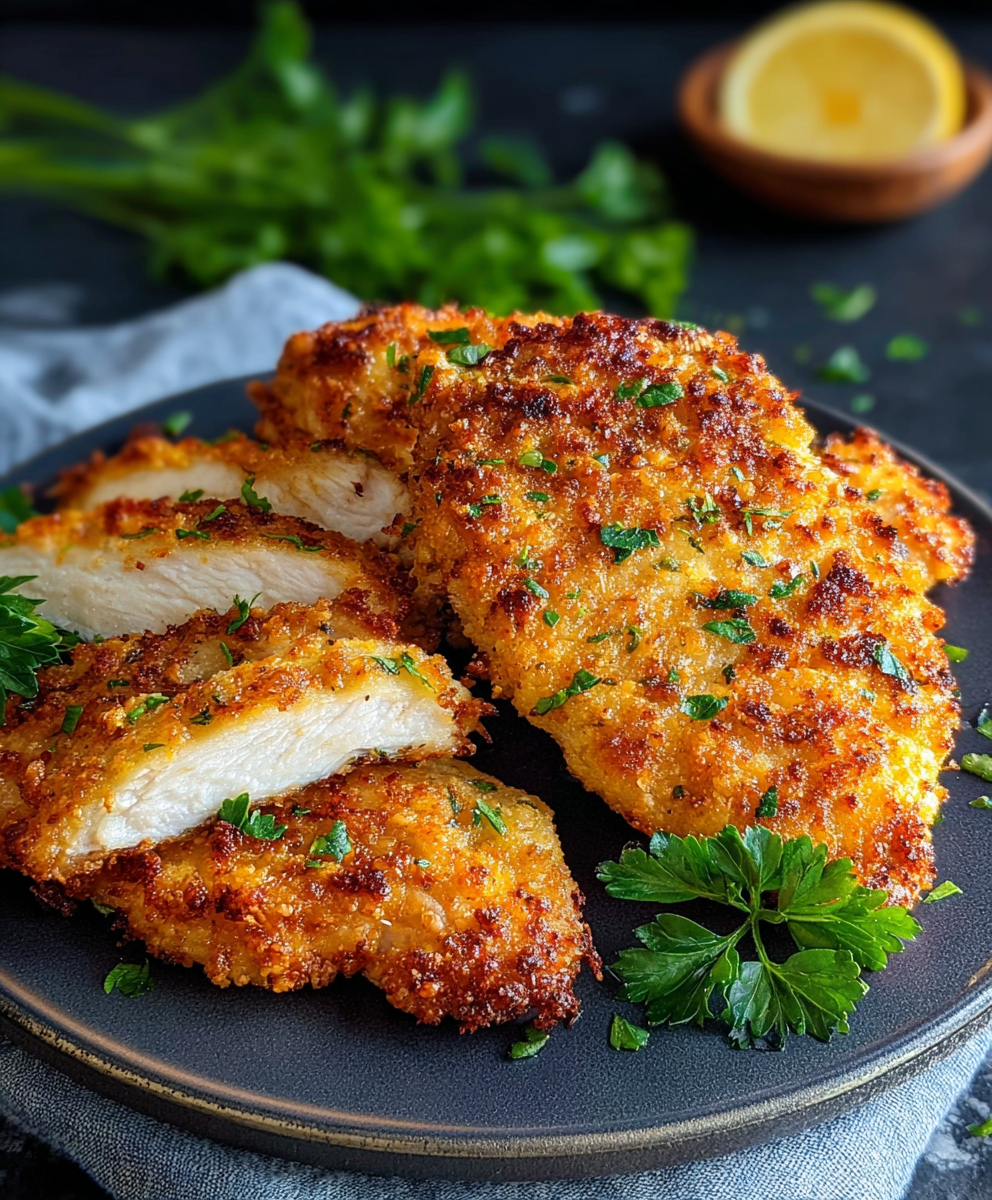
Crispy, golden Parmesan crusted chicken made in the air fryer for a quick family favorite that stays juicy inside and crunchy outside.
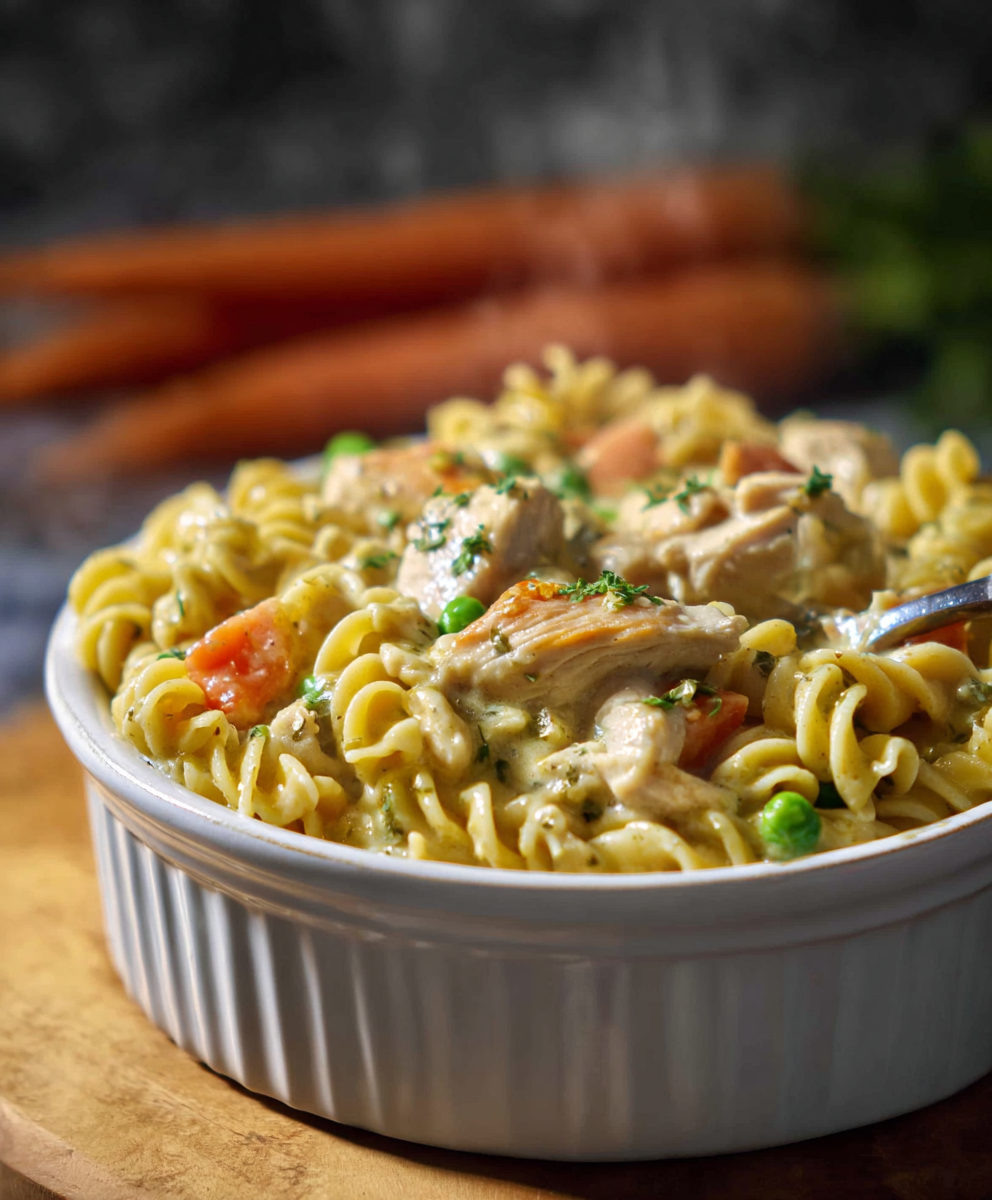
A cozy one-skillet mashup of pot pie comfort and egg noodle ease—ready in about 35 minutes and perfect for weeknight dinners.
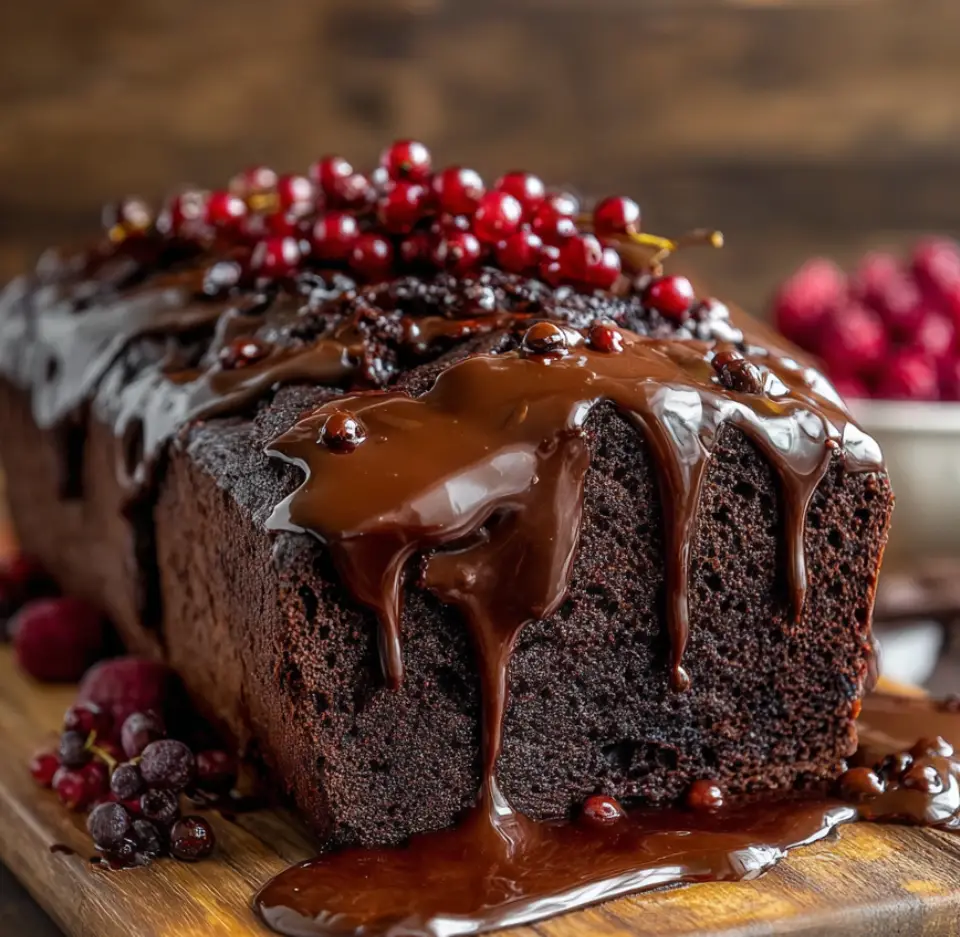
A gooey, chocolate-packed loaf with a molten hot-fudge swirl — brownie texture in bread form, perfect warm with a scoop of ice cream.
Leave a comment & rating below or tag @festive-cooks on social media!
Enjoyed this recipe? Share it with friends and family, and don't forget to leave a review!
This recipe looks amazing! Can't wait to try it.
Comments are stored locally in your browser. Server comments are displayed alongside your local comments.

Join to receive our email series which contains a round-up of some of our quick and easy family favorite recipes.