>>

Bright, buttery sauce with lemon and capers that elevates fish, chicken, pasta, or roasted vegetables in minutes.
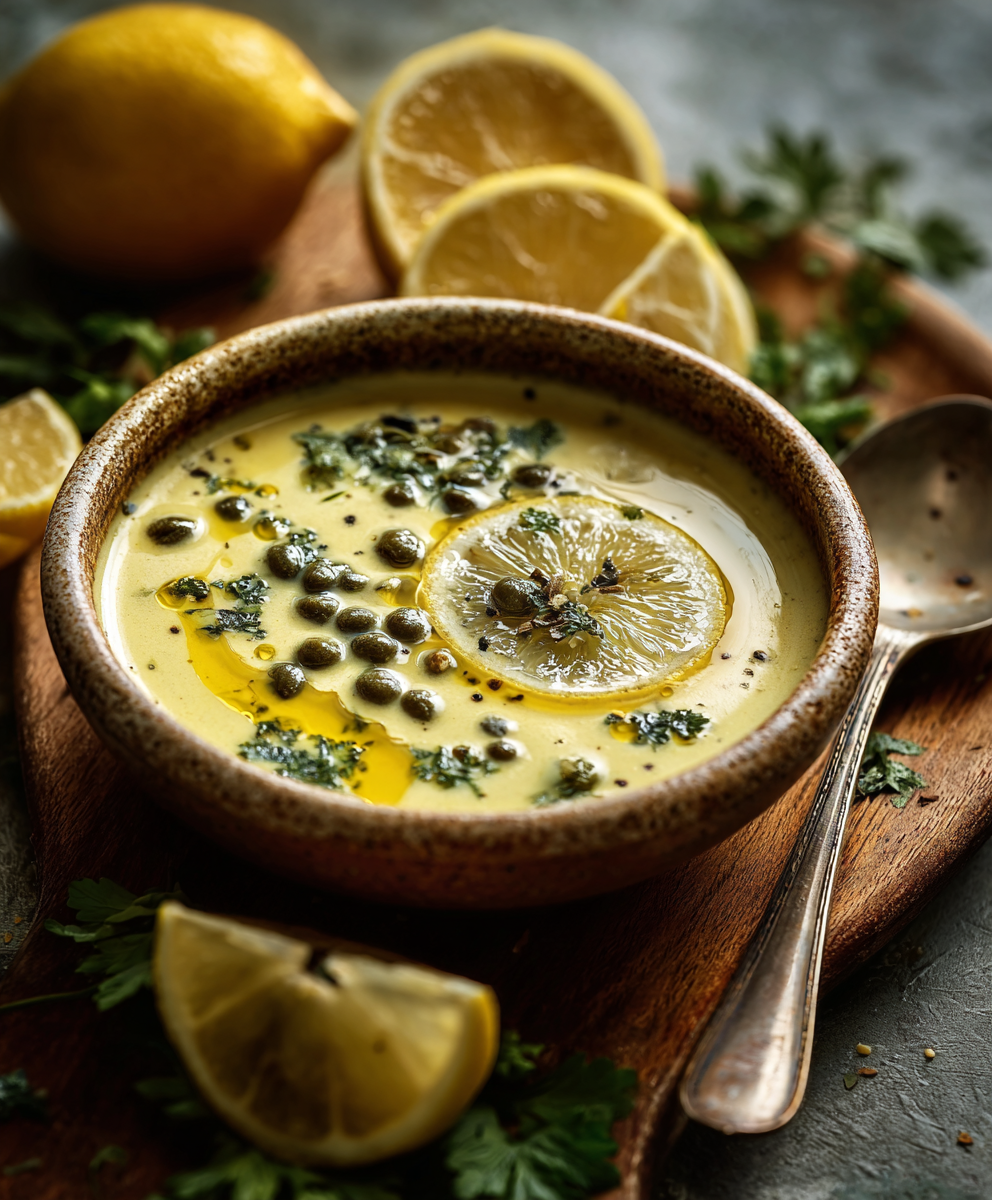
This simple lemon caper sauce has been a quiet star in my kitchen for years, the kind of finishing touch that turns a weeknight meal into something you would happily serve to guests. I first learned how to balance the bright acidity of fresh lemon with the salty pop of capers on a late spring evening when I had a package of frozen fillets and a pantry of humble ingredients. The result was so lively and comforting that my partner declared it a new household classic. It is bright without being sour, rich without feeling heavy, and it pairs beautifully with everything from delicate white fish to roasted asparagus.
The texture is silky from the butter and olive oil while the tiny capers add bursts of briny contrast. The garlic brings an aromatic backbone and a touch of savory depth, while a quick deglaze with white wine or chicken broth lifts the whole pan and creates a glossy, clingy sauce. Because it comes together in under ten minutes, it has become my go-to for last-minute entertaining, simple dinners, and for rescuing slightly overcooked proteins with a burst of fresh flavor.
In my experience this sauce always earns compliments. At a small dinner party I made it for seared scallops and everyone asked for the recipe. The balance of citrus and brine catches people by surprise in the best way, and I love how a few simple motions in a hot skillet produce such a glossy, restaurant-style finish.
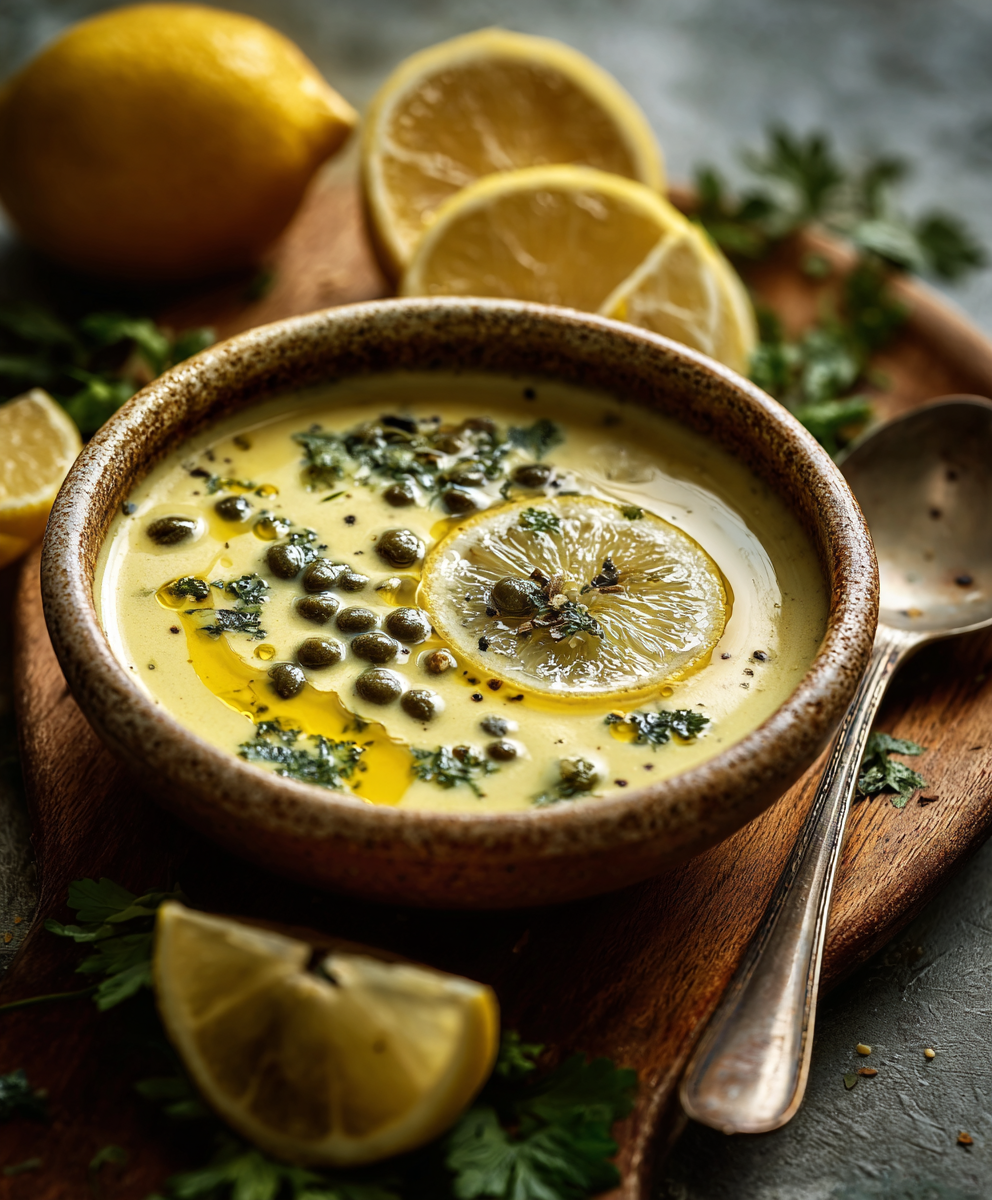
My favorite aspect is its transformative ability. I have used this sauce to rescue an over-salted roast by spooning small amounts over slices to add citrus balance, and it has also turned plain pasta into a light spring main course. Family members often ask for extra lemon zest on top, and guests frequently comment on how fresh and restaurant-level the dish tastes despite the simple technique.
Store cooled sauce in an airtight container in the refrigerator for up to three days. Use glass jars or small plastic containers with tight lids to minimize air exposure. To reheat, warm gently in a small skillet over low heat until just loose and glossy again. If the sauce separates slightly after refrigeration, whisk in a teaspoon of warm water or an extra teaspoon of butter to re-emulsify. For longer storage, transfer portions to a freezer-safe container and freeze for up to one month; thaw overnight in the refrigerator and reheat slowly to avoid breakdown.
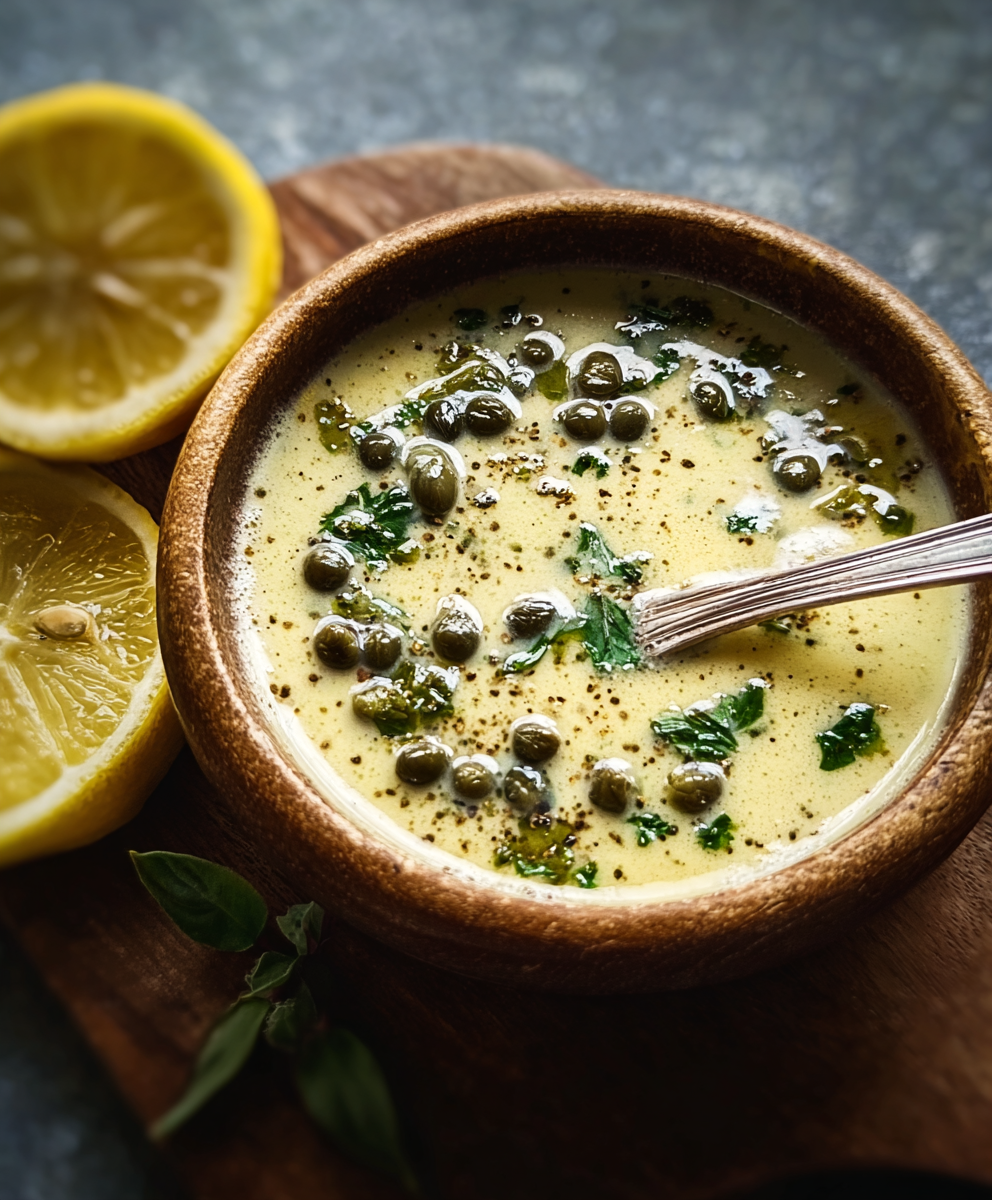
If you do not have butter, increase olive oil to 3 tablespoons for a dairy-free version, though the texture will be slightly less silky. Substitute white wine with low-sodium chicken broth to keep an alcohol-free profile; reduce broth slightly to concentrate flavor. Swap capers for chopped green olives in a one-to-one ratio for a milder briny note. For a vegan alternative, use a vegan butter substitute and olive oil combination and replace chicken broth with vegetable broth. Keep lemon juice measurements the same to maintain balance.
This sauce is exceptionally versatile. Spoon over pan-seared or baked white fish such as cod, halibut, or sole; pair with roasted potatoes or steamed green beans. For chicken, drizzle over a roasted boneless breast or thigh for an elegant dinner. Toss with hot pasta and a handful of reserved pasta cooking water for a quick citrus pasta, adding grated Parmesan if desired. Garnish with extra parsley and lemon zest for brightness and visual appeal.
The combination of lemon, butter, and capers has roots in Mediterranean cooking, where citrus and briny preserves are used to balance fatty ingredients. It shares characteristics with classic Italian and French pan sauces but leans toward a lighter, citrus-forward profile common in coastal Mediterranean cuisine. Capers, which are flower buds preserved in brine, have long been used in the region to add savory contrast and to enliven simple proteins.
Adapt the sauce to the season by swapping citrus accents or herbs. In spring and summer, add chopped tarragon or dill for a fresh herbaceous lift. In autumn, deepen the sauce by using a splash of dry sherry and finish with a pinch of smoked paprika. For winter entertaining, add more capers and serve alongside roasted root vegetables and citrus segments to cut through richer flavors.
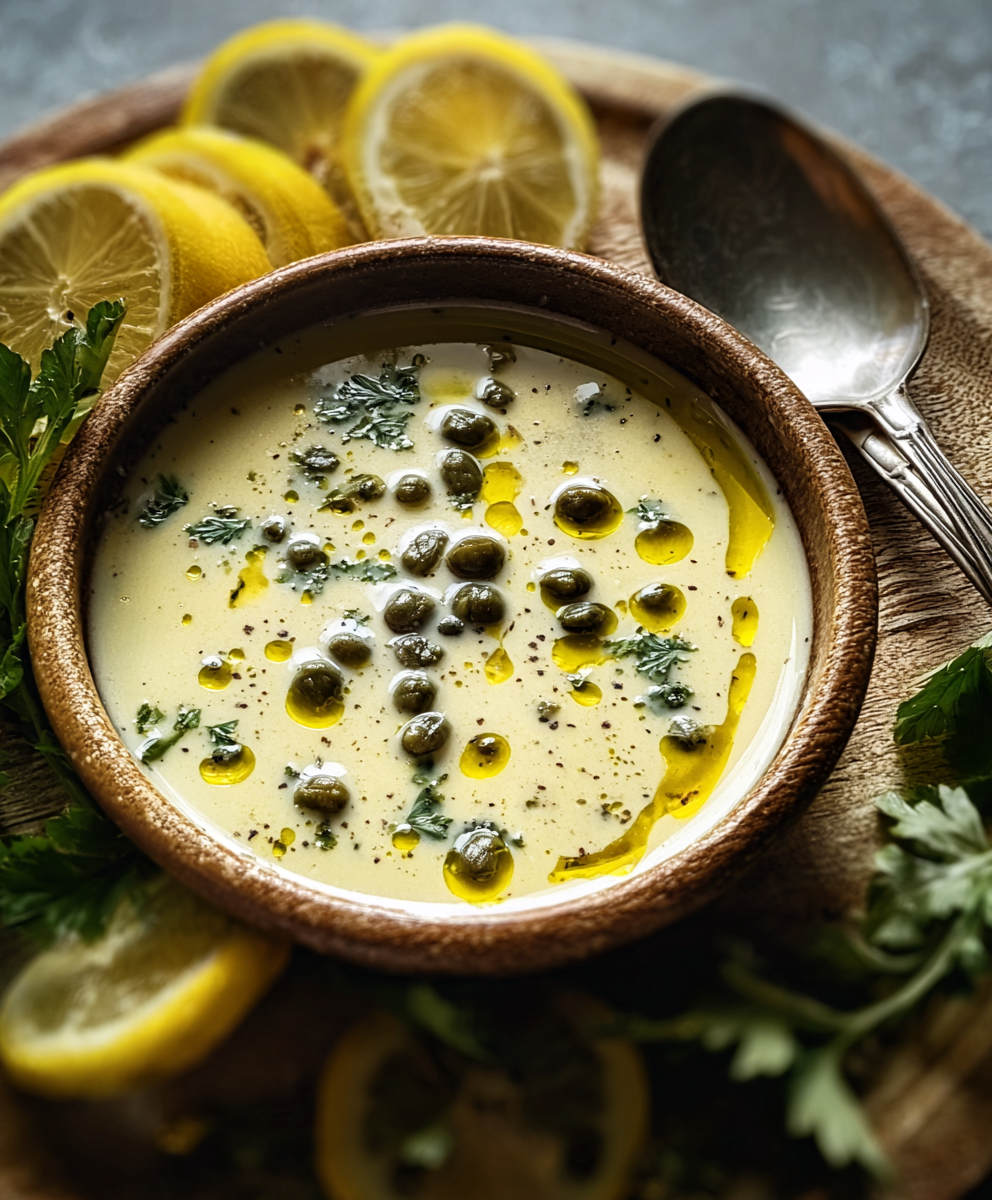
One memorable evening a friend asked me to make a quick dinner and I had only salmon fillets and pantry staples; this sauce turned the meal into a celebratory plate that earned compliments and recipe requests. Another time I used it to dress steamed artichokes at a small family gathering; the citrus and caper contrast made the artichokes feel special without complexity. Readers often write to say that the recipe is their go-to for last-minute guests and that it makes simple proteins taste elevated.
Make a double batch and store in small containers so you can spoon a portion over lunches or dinners all week. Keep a jar in the fridge for up to three days and warm gently; the sauce pairs well with cold-grain bowls when gently warmed. Measure lemon juice and capers in advance into small dishes so finishing the dish takes less than five minutes when proteins are cooked. Use shallow sealable containers for rapid cooling to maintain safety and quality.
At its heart this is a small-statement sauce that proves how a few high-quality ingredients and simple technique can transform ordinary mains into something memorable. I hope you find it as indispensable as I do and that it brings a bright note to many dinners ahead.
Rinse capers well to remove excess salt and control overall seasoning.
Do not brown the garlic; cook until fragrant to avoid bitterness.
Warm the sauce gently when reheating to prevent separation.
Use fresh lemon juice and zest for the brightest flavor.
If sauce splits, whisk in a teaspoon of warm water or an extra teaspoon of butter to re-emulsify.
This nourishing simple lemon caper sauce recipe is sure to be a staple in your kitchen. Enjoy every moist, high protein slice — it is perfect for breakfast or as a wholesome snack any time.
This Simple Lemon Caper Sauce recipe makes perfectly juicy, tender, and flavorful steak every time! Serve with potatoes and a side salad for an unforgettable dinner in under 30 minutes.
In a medium skillet over medium heat add 2 tablespoons unsalted butter and 2 tablespoons olive oil. Heat until butter melts and begins to bubble but does not brown, about 1 minute.
Add 2 minced garlic cloves and stir for 1 to 2 minutes until fragrant and translucent, taking care not to let the garlic brown.
Pour in 1/4 cup dry white wine or chicken broth and bring to a gentle simmer, scraping the pan to lift browned bits. Simmer for 2 to 3 minutes to reduce slightly.
Stir in 2 tablespoons fresh lemon juice, 2 tablespoons rinsed capers, and 1 teaspoon lemon zest. Season with salt and black pepper and cook for 1 to 2 minutes.
Remove from heat, stir in 1 tablespoon chopped parsley if using, and spoon the sauce warm over fish, chicken, pasta, or vegetables.
Last Step: Please leave a rating and comment letting us know how you liked this recipe! This helps our business to thrive and continue providing free, high-quality recipes for you.
Leave a comment & rating below or tag
@festive-cooks on social media!

Crispy, golden Parmesan crusted chicken made in the air fryer for a quick family favorite that stays juicy inside and crunchy outside.

A cozy one-skillet mashup of pot pie comfort and egg noodle ease—ready in about 35 minutes and perfect for weeknight dinners.

A gooey, chocolate-packed loaf with a molten hot-fudge swirl — brownie texture in bread form, perfect warm with a scoop of ice cream.
Leave a comment & rating below or tag @festive-cooks on social media!
Enjoyed this recipe? Share it with friends and family, and don't forget to leave a review!
This recipe looks amazing! Can't wait to try it.
Comments are stored locally in your browser. Server comments are displayed alongside your local comments.

Join to receive our email series which contains a round-up of some of our quick and easy family favorite recipes.