
Croissant Bread

A buttery laminated loaf that captures the flaky layers of a croissant in an easy-to-slice loaf—perfect for breakfast, brunch, or indulgent sandwiches.

This croissant loaf started as a weekend experiment when I wanted all the buttery, flaky appeal of croissants without shaping dozens of individual pastries. I discovered the technique on a rainy Saturday: I had leftover bread flour, a block of butter, and an urge for something deeply comforting. The result was a tall, shatteringly flaky loaf with tender, slightly sweet crumb tucked between glossy, caramelized layers. It quickly became our household favorite for slow breakfasts and show-off brunches.
What makes this version special is the balance—enough lamination to create visible, delicate layers but streamlined shaping into a loaf that slices like sandwich bread. The crust sings with butter, the interior is soft but layered, and a simple egg wash gives a glossy finish that catches the light. Over the years I’ve adapted the timings so the dough is reliable even when baked in a home oven, and I’ll share the little tricks that keep the butter cold, the dough relaxed, and the layers pronounced.
Why You'll Love This Recipe
- Produces a single loaf with classic croissant layering—so you get flake and crumb without shaping dozens of individual pastries; ideal when you want flaky texture but practical portions.
- Uses pantry staples: all-purpose flour, milk, sugar, yeast, butter and egg—no specialty pastry flour required, making it accessible for most home bakers.
- Hands-on time is concentrated around laminating and shaping; most of the process is resting and chilling, so you can work in batches over a day or split across two sessions.
- Make-ahead friendly: dough can be refrigerated overnight after the final roll and shaped fresh in the morning to streamline brunch prep.
- Flexible finishing options—egg wash and sugar for sweet pull-apart bread, or leave plain and slice for savory sandwiches; easy to add chocolate chips or jam before rolling for a filled loaf.
In my kitchen the first slice disappeared within minutes; my partner toasted a thick slice, layered ham and mustard, and called it the best sandwich they’d had in weeks. I love that it feels indulgent but is still practical—slice it thin for a crowd or thick for a decadent weekend breakfast. The lamination process teaches patience and rewards you with those dramatic layers that everyone notices.
Ingredients
- All-purpose flour (3 cups): Provides structure without being too strong; look for a reliable brand like King Arthur or Gold Medal. Measure by spooning into the cup and leveling for consistency.
- Warm milk (1 cup): Use whole milk for richness; if you prefer lower fat, 2% works but the crumb will be slightly less tender.
- Sugar (1/4 cup): Fine granulated sugar adds a touch of sweetness that helps with browning and balances the butter.
- Active dry yeast (2 1/4 tsp / 1 packet): Bloom in warm milk to confirm activity—bubbles and foam within 5–10 minutes indicate healthy yeast.
- Salt (1 tsp): Essential for flavor and dough development; add after the yeast has been mixed in to avoid direct contact with yeast.
- Large egg (1): Adds richness and helps with binding; reserve an extra egg for egg wash if you want a shiny crust.
- Softened unsalted butter (3 tbsp): Incorporated into the dough for tenderness; use unsalted so you control seasoning.
- Cold unsalted butter for lamination (about 1 cup / 8 oz / 225 g): Use a high-fat European-style butter for best flavor; keep it very cold and slightly flattened for easy rolling.
- Optional fillings/toppings: Chocolate chips, jam, coarse sugar for sprinkling—these add variety and make the loaf sweet and snackable.
Instructions
Activate the yeast:Warm 1 cup of milk to around 100–110°F (warm to the touch but not hot). Stir in 1/4 cup sugar and sprinkle 2 1/4 tsp active dry yeast over the surface. Let sit 5–10 minutes until foamy—this confirms the yeast is alive. If no foam appears, discard and try a fresh packet.Make the dough:In a large bowl combine 3 cups all-purpose flour and 1 tsp salt. Whisk the foam into the flour mixture with 1 large beaten egg and 3 tbsp softened unsalted butter. Mix until a shaggy dough forms, then knead 6–8 minutes by hand or 4–5 minutes on low with a dough hook until smooth and elastic. The dough should be soft but not sticky; add a teaspoon of flour if too wet. Cover and rest 20–30 minutes to relax.Prepare the butter layer:While the dough rests, prepare 1 cup cold unsalted butter: slice or flatten it between two pieces of parchment into a 7x8-inch rectangle about 1/4-inch thick. Keep it chilled—cold butter is crucial for distinct layers.Lamination — the croissant magic:On a lightly floured surface roll the dough into a rectangle roughly 10x8 inches. Place the butter block in the center and fold dough over like an envelope to encase it. Roll gently to a long rectangle about 20x8 inches, then perform a single turn: fold the dough into thirds (like a letter). Wrap and chill 20–30 minutes. Repeat two more turns, chilling 20–30 minutes between turns. Maintain cold temperatures to prevent butter leakage—if it becomes soft, chill longer.Shape the loaf:After the final chill, roll the dough into a rectangle roughly 12x10 inches and, if using optional fillings, scatter chocolate chips or spoon thin lines of jam. Roll tightly from the long edge into a tight log and seal the seam. Place seam-side down into a greased 9x5-inch loaf pan, tucking ends slightly if needed. Cover and proof at warm room temperature until puffy and nearly doubled—about 60–90 minutes depending on ambient warmth.Egg wash and bake:Preheat the oven to 375°F. Beat an extra egg with a tablespoon of water and gently brush the loaf for a deep golden gloss. Optionally sprinkle sugar. Bake 22–30 minutes until deeply golden and internal temperature reaches 190–200°F. If the top browns too quickly, tent with foil for the last 10 minutes. Let cool 15–20 minutes before slicing to set the layers.
You Must Know
- This loaf stores well at room temperature for 1–2 days in a paper bag to preserve crisp edges or in an airtight container for up to 3 days.
- For longer storage, slice and freeze in an airtight bag for up to 3 months—toast slices directly from frozen for best texture.
- High in butter and carbohydrates: expect approximately 350–450 kcal per slice depending on portion size and fillings.
- Keep all ingredients cold during lamination to ensure separate layers—warm butter will be absorbed into the dough and ruin the layering.
My favorite aspect is how dramatic the layers become with just three turns; the loaf looks artisan but the technique is approachable. Family members have toasted this and spread salted butter or jam, and guests always ask if it’s a bakery loaf. The combination of buttery lamination and practical loaf shaping makes this recipe a keeper for leisurely mornings and special brunches.
Storage Tips
After cooling, store the loaf at room temperature in a paper bag or loosely wrapped in a clean kitchen towel for 1–2 days—this preserves some crustiness. For airtight storage (softer crust), place in a sealed container for up to 3 days. To freeze, slice the loaf, flash-freeze on a tray, then transfer to a zip-top bag; slices will keep up to 3 months. Reheat frozen slices in a toaster or oven at 350°F for 8–12 minutes for restored crispness. Avoid refrigeration as it accelerates staling unless your kitchen is very humid.
Ingredient Substitutions
If you don’t have whole milk, use 2% or a milk alternative like oat milk for a slightly different crumb and flavor—fat contributes to tenderness so whole milk performs best. For a richer loaf, substitute up to 2 tablespoons of butter in the dough with heavy cream. Use salted butter but reduce added salt by a pinch. For a dairy-free version, use plant-based butter and a dairy-free milk alternative; results vary because water content and fat levels differ, so expect slightly different layering behavior.
Serving Suggestions
Serve warm, sliced thick and spread with high-quality butter or jam for breakfast. For a savory application, slice thinly and layer with ham, Gruyère, and Dijon mustard for an elevated sandwich. It’s excellent with coffee or tea and makes a festive French toast when sliced day-old and soaked briefly in milk and egg before pan-frying. Garnish with a shower of flaky sea salt for savory loaves or coarse sugar for a sweet, bakery-style finish.

Cultural Background
The loaf is inspired by classic viennoiserie techniques from France—lamination that produces the celebrated layers of croissants and pain au chocolat. While traditional croissants are shaped individually, the idea of a laminated loaf has appeared in modern bakeries as an accessible format that retains lamination benefits while simplifying production. This hybrid form bridges artisanal pastry technique with everyday practicality.
Seasonal Adaptations
In autumn, fold in a thin layer of spiced apple compote before rolling for a seasonal twist. In winter, add citrus zest and stud with dried cranberries for brightness. Summer variations include brushing with apricot jam before rolling and sprinkling with sliced almonds on top. Adjust proofing times for cooler temperatures—colder kitchens need longer rises and extra patience between turns.
Meal Prep Tips
To split the process, complete the dough and two turns one day, chill overnight, then perform the final turn and shape the next morning. Alternatively, after the final fold, refrigerate the shaped, unbaked loaf overnight and bake fresh in the morning—this delivers superior morning timing with excellent layered texture. Use metal loaf pans for better heat conduction and consistent crust color.
Enjoy baking this loaf and making it your own—whether you keep it simple with butter and jam or dress it up with fillings, it rewards patience with buttery, layered slices perfect for sharing.
Pro Tips
Keep the butter and dough cold during lamination to preserve distinct layers.
Use a thermometer to check milk temperature when activating yeast (100–110°F).
If the butter starts to leak, chill the dough for 20–30 minutes before continuing.
For glossy crust, brush with an egg wash just before baking and avoid overbaking to keep layers tender.
Slice after resting 15–20 minutes post-bake so the layers set and slicing doesn’t compress the loaf.
This nourishing croissant bread recipe is sure to be a staple in your kitchen. Enjoy every moist, high protein slice — it is perfect for breakfast or as a wholesome snack any time.
Tags
Croissant Bread
This Croissant Bread recipe makes perfectly juicy, tender, and flavorful steak every time! Serve with potatoes and a side salad for an unforgettable dinner in under 30 minutes.
Ingredients
Dough
Lamination
Toppings & Optional Fillings
Instructions
Activate the yeast
Warm 1 cup of milk to approximately 100–110°F, stir in 1/4 cup sugar, sprinkle 2 1/4 tsp active dry yeast, and let sit 5–10 minutes until foamy to confirm activity.
Make the dough
Combine 3 cups flour and 1 tsp salt; add foamed milk, 1 beaten egg, and 3 tbsp softened butter. Mix and knead until smooth and elastic, about 6–8 minutes by hand. Cover and rest 20–30 minutes.
Prepare the butter layer
Flatten 1 cup cold unsalted butter between parchment into a 7x8-inch rectangle about 1/4-inch thick and chill until ready to encase in the dough.
Laminate (first turn)
Roll dough to 10x8 inches, place butter block on center and fold to encase. Roll gently to 20x8 inches and fold into thirds. Wrap and chill 20–30 minutes.
Laminate (second and third turns)
Repeat the roll-fold-chill process two more times, chilling 20–30 minutes between each turn. Keep dough and butter cold to maintain layers.
Shape the loaf
Roll final dough to 12x10 inches, add optional fillings, then roll tightly into a log and place seam-side down in a greased 9x5-inch loaf pan. Proof 60–90 minutes until nearly doubled.
Bake
Preheat oven to 375°F. Brush with egg wash if desired and bake 22–30 minutes until golden and internal temperature reaches 190–200°F. Cool 15–20 minutes before slicing.
Last Step: Please leave a rating and comment letting us know how you liked this recipe! This helps our business to thrive and continue providing free, high-quality recipes for you.
Nutrition
Did You Make This?
Leave a comment & rating below or tag
@festive-cooks on social media!
Categories:
You might also like...

Air Fryer Parmesan Crusted Chicken
Crispy, golden Parmesan crusted chicken made in the air fryer for a quick family favorite that stays juicy inside and crunchy outside.

Quick Chicken Pot Pie Pasta
A cozy one-skillet mashup of pot pie comfort and egg noodle ease—ready in about 35 minutes and perfect for weeknight dinners.
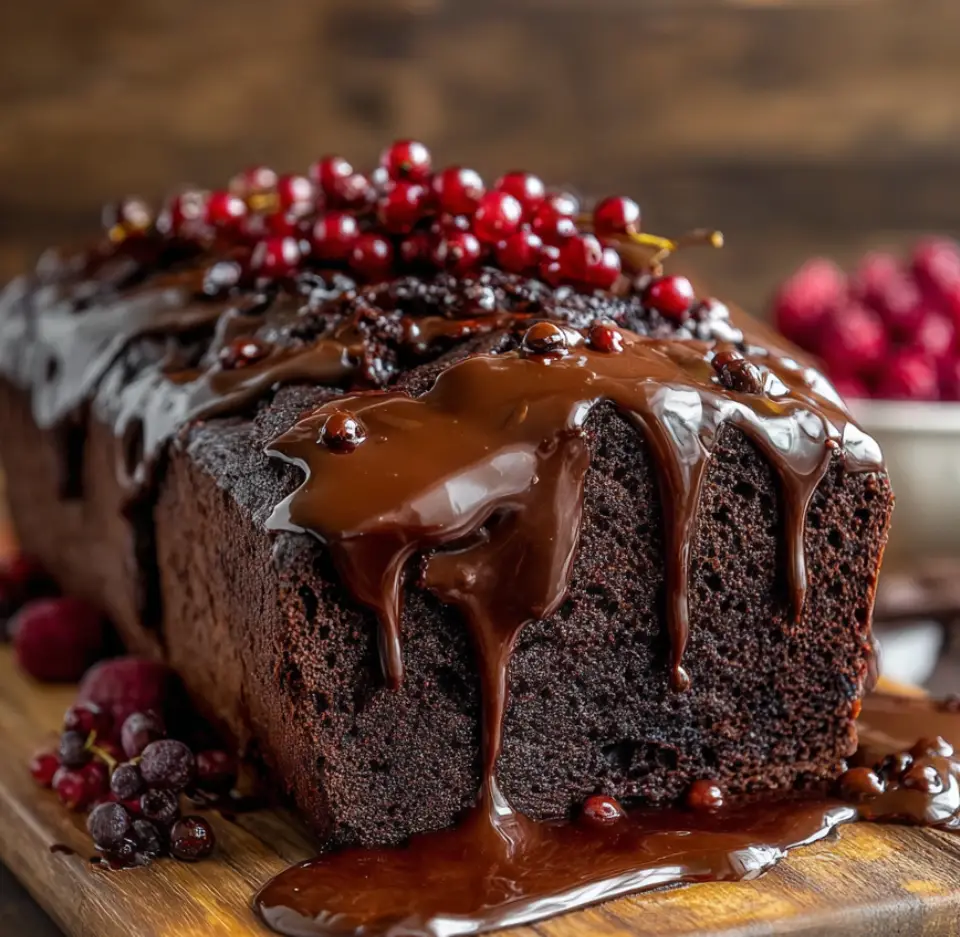
Hot Fudge Brownie Bread
A gooey, chocolate-packed loaf with a molten hot-fudge swirl — brownie texture in bread form, perfect warm with a scoop of ice cream.
Did You Make This?
Leave a comment & rating below or tag @festive-cooks on social media!
Rate This Recipe
Share This Recipe
Enjoyed this recipe? Share it with friends and family, and don't forget to leave a review!
Comments (1)
This recipe looks amazing! Can't wait to try it.
Comments are stored locally in your browser. Server comments are displayed alongside your local comments.

Hi, I'm Jessica!
What's Popular

30-Minute Meals!
Join to receive our email series which contains a round-up of some of our quick and easy family favorite recipes.