
Classic French Butter Cookies

Delicate, melt-in-your-mouth butter cookies inspired by traditional French patisseries — simple ingredients, elegant results, and perfect for sharing.
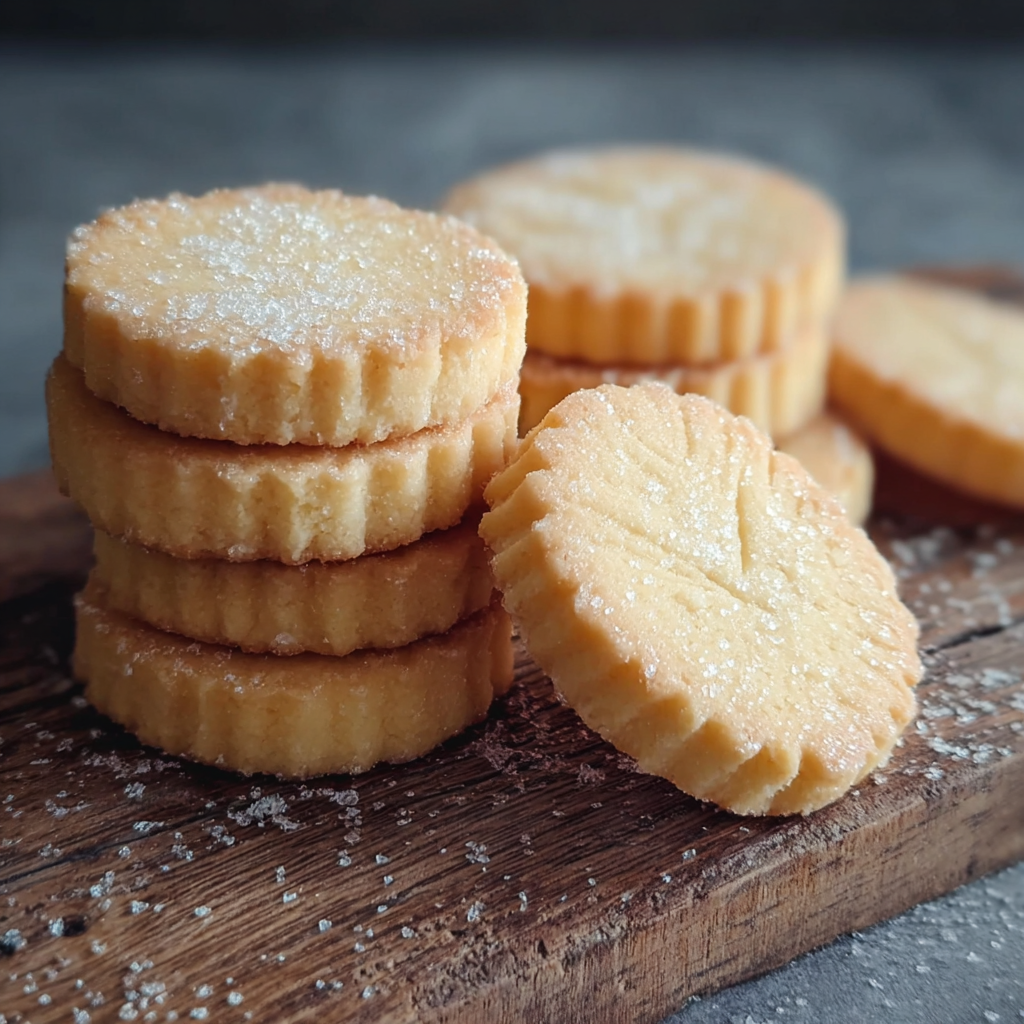
This recipe for classic French butter cookies has been a quiet staple in my kitchen for years. I first learned this method on an afternoon when I needed a modest, unfussy treat to bring to a neighbor's tea — something that would feel elegant without demanding hours of effort. The dough comes together with just a few pantry ingredients, and the finished cookies have that unforgettable texture: crisp at the edges, tender and almost sandy in the center, with a rich butter flavor that lingers. They remind me of small moments — a child's hand reaching for a cookie at dusk, a steaming mug of tea on a rainy morning, and the easy pleasure of sharing something homemade.
What makes these particular butter cookies special is their simplicity and reliability. You can measure, mix, chill, slice, and bake with confidence. The balance of butter, sugar, and a single egg yolk gives a delicate crumb that holds a precise, thin shape when sliced. I often double the batch during the holidays, wrapping the logs in plastic and freezing them until cookie season arrives. They travel well, pair beautifully with coffee or citrus marmalade, and require no special equipment — only patience for the brief chilling period. Over time I've tuned tiny details: the temperature of the butter, the thickness of the slices, and the sprinkle of sugar that gives the edges a subtle crunch.
Why You'll Love This Recipe
- Minimal ingredients and straightforward technique — ready with 20 minutes active time and about 1 hour including chilling.
- Uses pantry staples such as unsalted butter, sugar, and all-purpose flour so you can make it on short notice.
- Produces a delicate, melt-in-your-mouth texture that is crisp on the edges and tender inside — a true crowd-pleaser.
- Excellent make-ahead and freezing options: dough logs freeze well for quick baking later and baked cookies keep for days in an airtight tin.
- Highly adaptable: swap vanilla for almond, add citrus zest, or press a light design into each cookie for a personalized touch.
- Perfect for gifting, afternoon tea, holiday platters, or simple everyday indulgence.
I can still picture the first time my family tasted these — an unexpected hush at the table, followed by requests for the recipe. They passed between friends and became my go-to cookie whenever I wanted something classic but effortless. The way the butter and sugar bloom during creaming is almost meditative, and the quick chill makes the whole process feel satisfying rather than hurried.
Ingredients
- Unsalted butter: Use 1 cup (2 sticks) of high-quality unsalted butter, softened but not melted. I prefer European-style butter for its higher fat content and richer flavor — plugrá or Kerrygold work beautifully. Softening to room temperature makes creaming easier and traps air for a lighter texture.
- Granulated sugar: 2/3 cup provides a subtle sweetness that doesn't overwhelm the butter. For a slightly more refined finish, use superfine sugar if you have it; otherwise regular granulated sugar is fine.
- Large egg yolk: One egg yolk adds tenderness and helps bind the dough without adding too much moisture. Save the white for a meringue or omelet.
- Vanilla extract: 1 teaspoon of pure vanilla extract adds warmth and rounds out the buttered notes. You can substitute almond extract for a different but equally lovely profile.
- All-purpose flour: 2 cups provides structure while keeping the crumb tender. Measure by spooning the flour into the cup and leveling with a knife to avoid packing in too much flour, which makes cookies dense.
- Salt: A pinch of salt (about 1/8 teaspoon) brightens flavor and balances the sweetness. If using salted butter, reduce added salt accordingly.
- Extra sugar (optional): A few teaspoons for sprinkling the rounds before baking if you like a little sparkle and extra crispness at the edges.
Instructions
Cream the butter and sugar: In a large bowl or the bowl of a stand mixer fitted with the paddle attachment, beat 1 cup softened unsalted butter with 2/3 cup granulated sugar until the mixture is light and fluffy — roughly 3 to 4 minutes on medium speed. You want the sugar to be well incorporated and the butter to have increased in volume slightly. This step traps air and contributes to a tender, delicate crumb. Add the egg yolk and vanilla: Mix in 1 large egg yolk and 1 teaspoon pure vanilla extract until just combined, scraping down the bowl as needed. The yolk adds richness and helps the dough come together without introducing too much liquid. Avoid overmixing once the egg is added to prevent a tough texture. Fold in flour and salt: Gradually add 2 cups all-purpose flour and a pinch of salt to the butter mixture, stirring on low speed or folding with a spatula until a soft, even dough forms. The dough should be cohesive but not sticky; if it feels too dry, add a teaspoon of milk, one at a time. Overworking at this stage will develop gluten and make the cookies dense. Shape and chill: Turn the dough onto a sheet of plastic wrap and shape it into a log approximately 1 1/2 to 2 inches in diameter. Wrap tightly and refrigerate for at least 1 hour — chilling relaxes the butter, firms the dough for clean slicing, and prevents excessive spreading in the oven. Preheat and slice: Preheat the oven to 350°F (175°C). Unwrap the chilled log and slice into 1/4-inch rounds using a sharp, slightly warm knife for cleaner edges. Place rounds 1 inch apart on a parchment-lined baking sheet. If desired, sprinkle a pinch of sugar on each round for a light crunch and sheen. Bake and cool: Bake for 10 to 12 minutes or until the edges are just turning light golden. Rotate the pan halfway through for even color. Remove from the oven and let cookies cool on the baking sheet for 5 minutes before transferring to a wire rack to cool completely. Cooling on the sheet allows structure to set so the cookies don't break.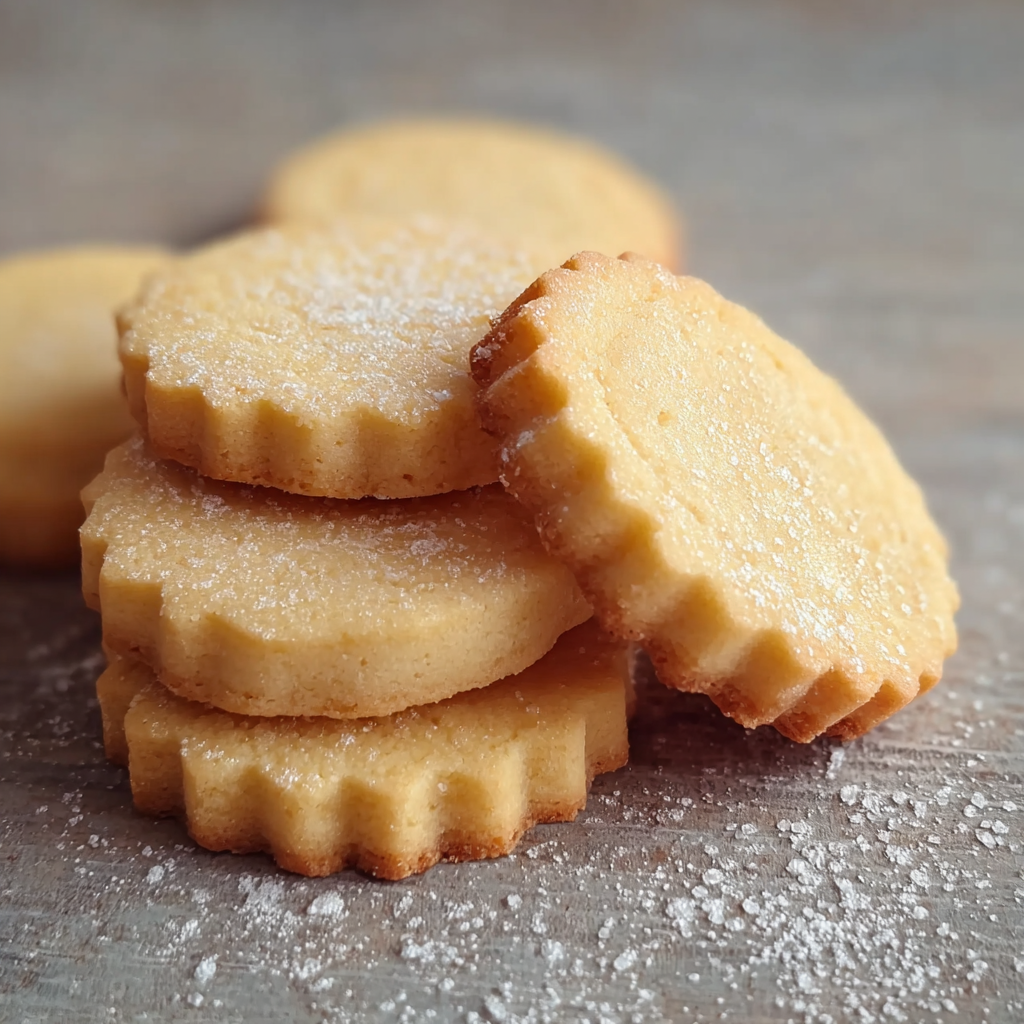
You Must Know
- These cookies store well in an airtight container at room temperature for up to 5 days, or in the freezer for up to 3 months.
- They are rich in butter and contain egg and gluten; avoid for dairy-free, vegan, or gluten-free diets without substitutions.
- Chilling is crucial: a well-chilled log slices cleanly and yields even cookies with minimal spreading.
- Bake on parchment or a silicone mat to prevent bottoms from browning too quickly and to ensure easy removal.
- Use room-temperature butter for ideal creaming; too soft and the cookies will spread, too cold and the creaming will be uneven.
My favorite aspect of these cookies is how forgiving they are: even if you slice a little thicker or thinner, they remain delicious. Family members have requested tiny tweaks over time — a sprinkle of lemon zest, a half-dip in dark chocolate, or a dusting of powdered sugar — and each variation has its own charm. These cookies have shown up on picnic blankets, holiday trays, and quiet weekday dessert plates, and every time they disappear quickly.
Storage Tips
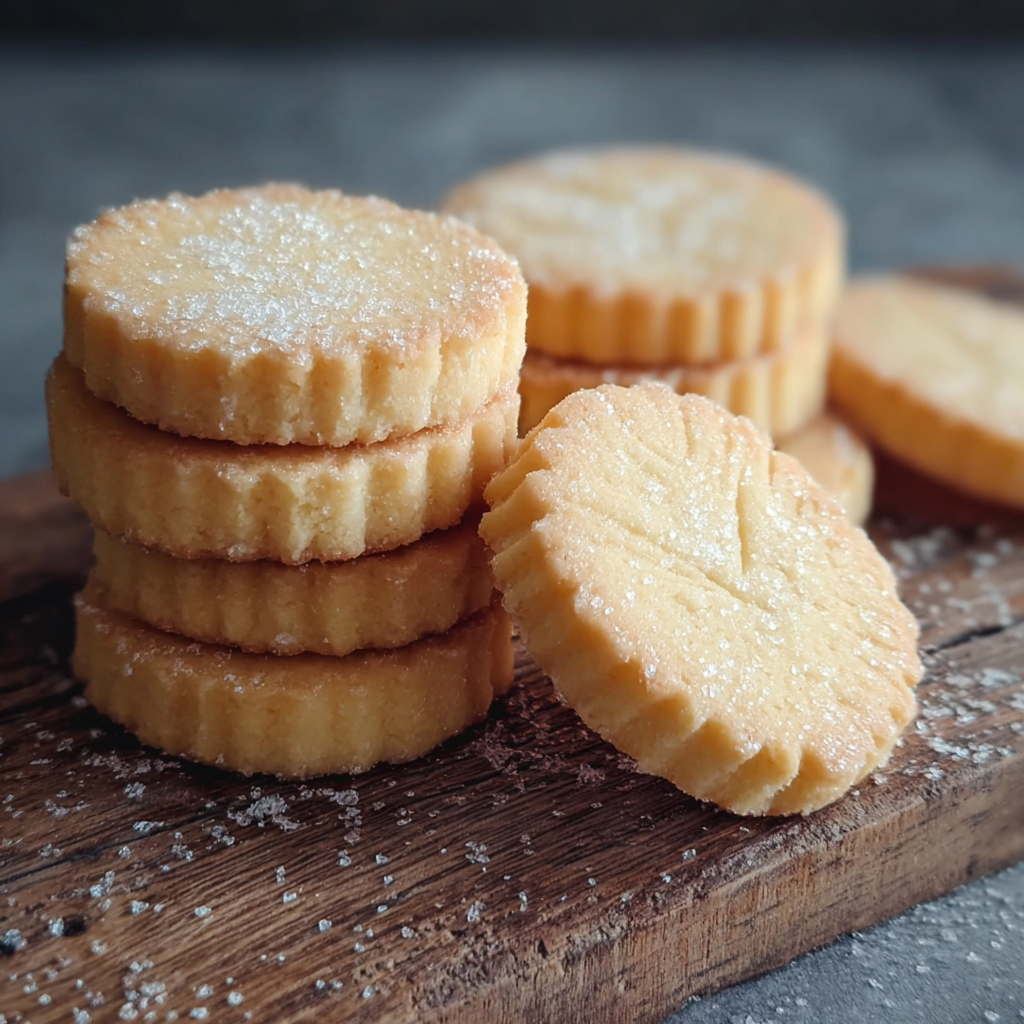
Store completely cooled cookies in an airtight container layered with parchment to prevent sticking. At room temperature, they stay fresh for up to five days; for longer storage, freeze baked cookies flat on a tray until firm, then transfer to a freezer-safe bag for up to three months. To refresh slightly stale cookies, warm them in a 300°F (150°C) oven for 3 to 5 minutes — the gentle heat revives crispness without drying them out. Dough logs also freeze beautifully: wrap tightly in plastic and foil, label, and slice from frozen as needed, adding 1–2 minutes to the bake time.
Ingredient Substitutions
For a dairy-free version, substitute a high-quality vegan butter stick (one formulated for baking) but expect a slightly different chew and flavor. Replace the single egg yolk with 2 tablespoons of aquafaba or a commercial egg replacer for an egg-free option, though texture will be lighter. To make them gluten-free, use a 1-to-1 gluten-free flour blend formulated for cookies and reduce handling to avoid crumbliness. Swap vanilla for almond or citrus zest (1 teaspoon zest per batch) for a bright alternative. Note that substitutions change texture and spread; chilling is even more important when ingredients differ.
Serving Suggestions
These biscuits pair delightfully with herbal tea, strong coffee, or a citrus marmalade. Serve small stacks tied with twine for holiday gifting, or arrange with fresh berries and whipped cream for an elegant dessert plate. For a simple upgrade, dip half of each cookie in melted dark chocolate and let set on parchment — the contrast of rich chocolate and buttery crumb is irresistible. They also complement creamy cheeses and make a lovely accompaniment to afternoon gatherings or bridal showers.
Cultural Background
Shortbread-style butter cookies have deep roots in European baking traditions. In France, delicate butter biscuits often appear in patisseries and home baking alike, prized for their pure ingredient list and refined texture. The technique of creaming butter and sugar, chilling dough, and slicing log-shaped dough is common across classic French and British cookie-making; each region adapts flavors and shapes to local tastes, from the buttery sablés of Normandy to the tea biscuits of England. These little cookies capture that simple, time-honored approach.
Seasonal Adaptations
In winter, fold 1 teaspoon of warm spice such as cinnamon and a pinch of nutmeg into the dough and top with coarse sugar for a cozy treat. Spring and summer welcome citrus: add 1 teaspoon lemon or orange zest for brightness. For autumnal gatherings, mix in 1/4 cup finely chopped toasted hazelnuts and a touch of brown sugar for deeper flavor. During holidays, press a small festive cookie cutter into each round before baking to imprint a design that bakes into the surface.
Meal Prep Tips
Prepare several dough logs in one sitting and freeze them for quick baking later; wrap each log tightly and stow in the freezer for up to three months. When you want fresh cookies, slice directly from frozen and add a minute or two to the bake time. For party prep, bake in advance and store in an airtight tin; arrange on serving platters the day of the event for effortless entertaining. Keep a small jar of extra sugar beside your baking station for last-minute sparkling finishes.
These cookies are forgiving, elegant, and endlessly adaptable — a small recipe that delivers a lot of joy. Whether you're making a single batch for tea or a dozen logs for holiday trays, they reward simple care and thoughtful tweaks. I hope they become one of your go-to, comfortingly buttery traditions.
Pro Tips
Use room-temperature butter for proper creaming; it should be soft but still hold shape.
Chill the log for at least 1 hour to prevent spreading and ensure clean slices.
Slice with a sharp knife and wipe it between cuts for neat rounds.
Bake on a middle rack and rotate the sheet halfway through for even browning.
This nourishing classic french butter cookies recipe is sure to be a staple in your kitchen. Enjoy every moist, high protein slice — it is perfect for breakfast or as a wholesome snack any time.
FAQs about Recipes
Can I freeze the dough?
Yes. Dough logs can be frozen for up to 3 months. Thaw in the refrigerator before slicing or slice from frozen and add 1–2 minutes to the bake time.
How long do the cookies keep?
Store cooled cookies in an airtight container at room temperature up to 5 days or freeze baked cookies for up to 3 months.
Tags
Classic French Butter Cookies
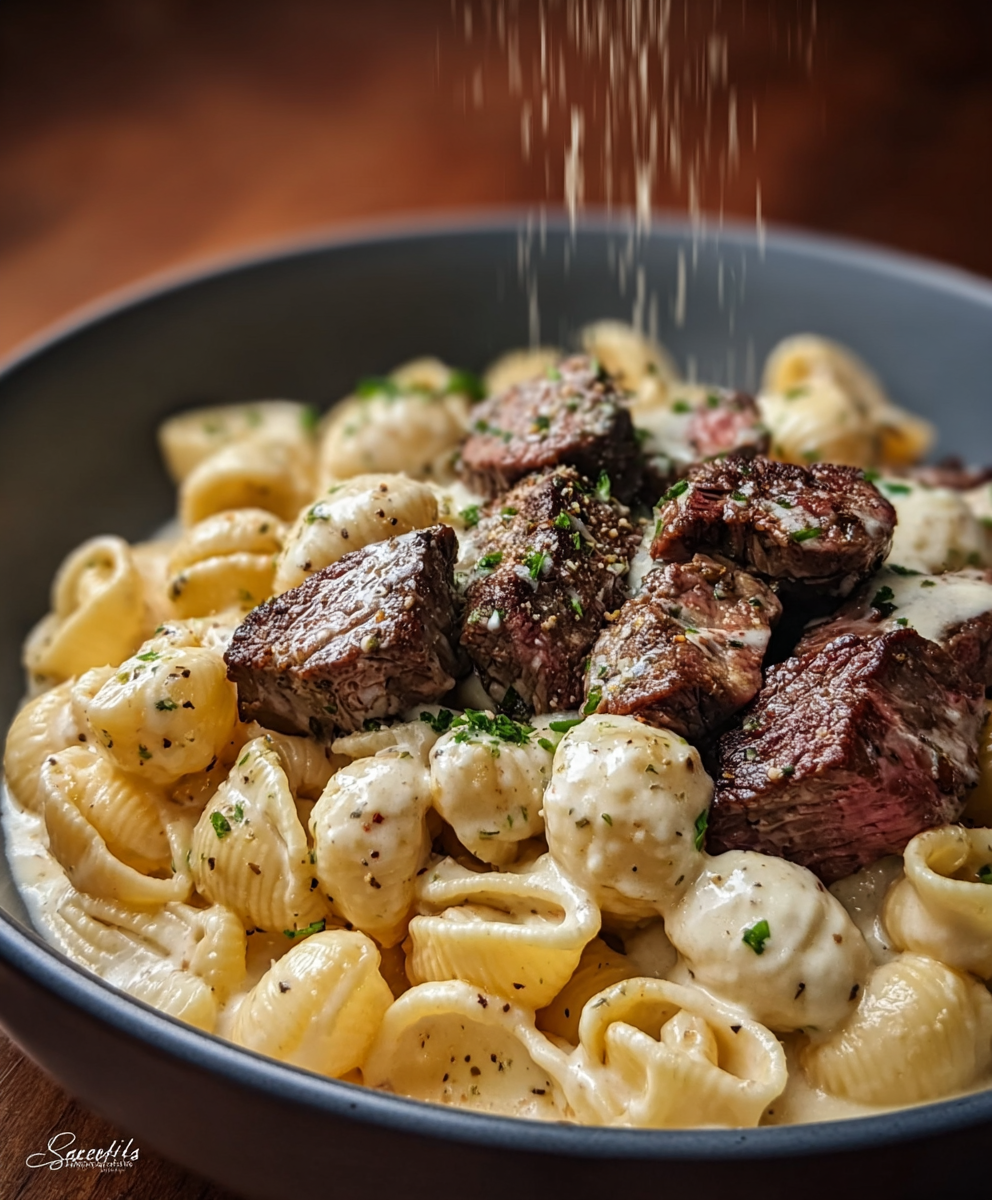
This Classic French Butter Cookies recipe makes perfectly juicy, tender, and flavorful steak every time! Serve with potatoes and a side salad for an unforgettable dinner in under 30 minutes.
Ingredients
Main
Instructions
Cream the butter and sugar
Beat 1 cup softened unsalted butter with 2/3 cup granulated sugar until light and fluffy, about 3–4 minutes. This traps air for a tender crumb.
Add egg yolk and vanilla
Mix in 1 large egg yolk and 1 teaspoon vanilla until just combined, scraping the bowl as needed. Do not overmix.
Fold in flour and salt
Gradually add 2 cups all-purpose flour and a pinch of salt, stirring until a soft dough forms. The dough should be cohesive but not sticky.
Shape and chill
Shape the dough into a log about 1 1/2–2 inches in diameter, wrap tightly in plastic, and refrigerate for at least 1 hour to firm up for clean slicing.
Slice and bake
Preheat oven to 350°F (175°C). Slice the chilled log into 1/4-inch rounds, place on parchment-lined sheet, optionally sprinkle with sugar, and bake 10–12 minutes until edges are lightly golden.
Cool and store
Cool on the baking sheet for 5 minutes, then transfer to a wire rack to cool completely. Store in an airtight container up to 5 days or freeze for longer storage.
Last Step: Please leave a rating and comment letting us know how you liked this recipe! This helps our business to thrive and continue providing free, high-quality recipes for you.
Nutrition
Did You Make This?
Leave a comment & rating below or tag
@festive-cooks on social media!
Categories:
You might also like...

Air Fryer Parmesan Crusted Chicken
Crispy, golden Parmesan crusted chicken made in the air fryer for a quick family favorite that stays juicy inside and crunchy outside.

Quick Chicken Pot Pie Pasta
A cozy one-skillet mashup of pot pie comfort and egg noodle ease—ready in about 35 minutes and perfect for weeknight dinners.
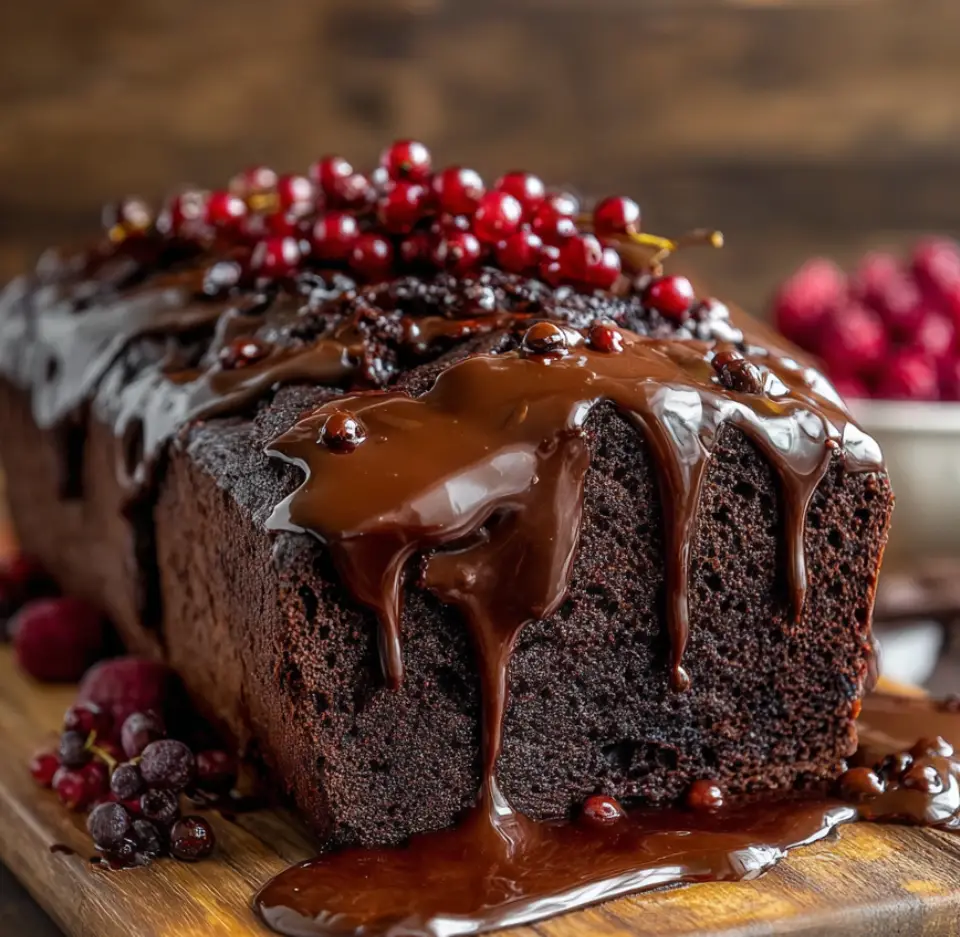
Hot Fudge Brownie Bread
A gooey, chocolate-packed loaf with a molten hot-fudge swirl — brownie texture in bread form, perfect warm with a scoop of ice cream.
Did You Make This?
Leave a comment & rating below or tag @festive-cooks on social media!
Rate This Recipe
Share This Recipe
Enjoyed this recipe? Share it with friends and family, and don't forget to leave a review!
Comments (1)
This recipe looks amazing! Can't wait to try it.
Comments are stored locally in your browser. Server comments are displayed alongside your local comments.

Hi, I'm Jessica!
What's Popular
30-Minute Meals!
Join to receive our email series which contains a round-up of some of our quick and easy family favorite recipes.