>>

Juicy chicken breasts pan-seared and finished in a glossy balsamic-honey glaze—simple, elegant, and perfect for weeknights or dinner guests.
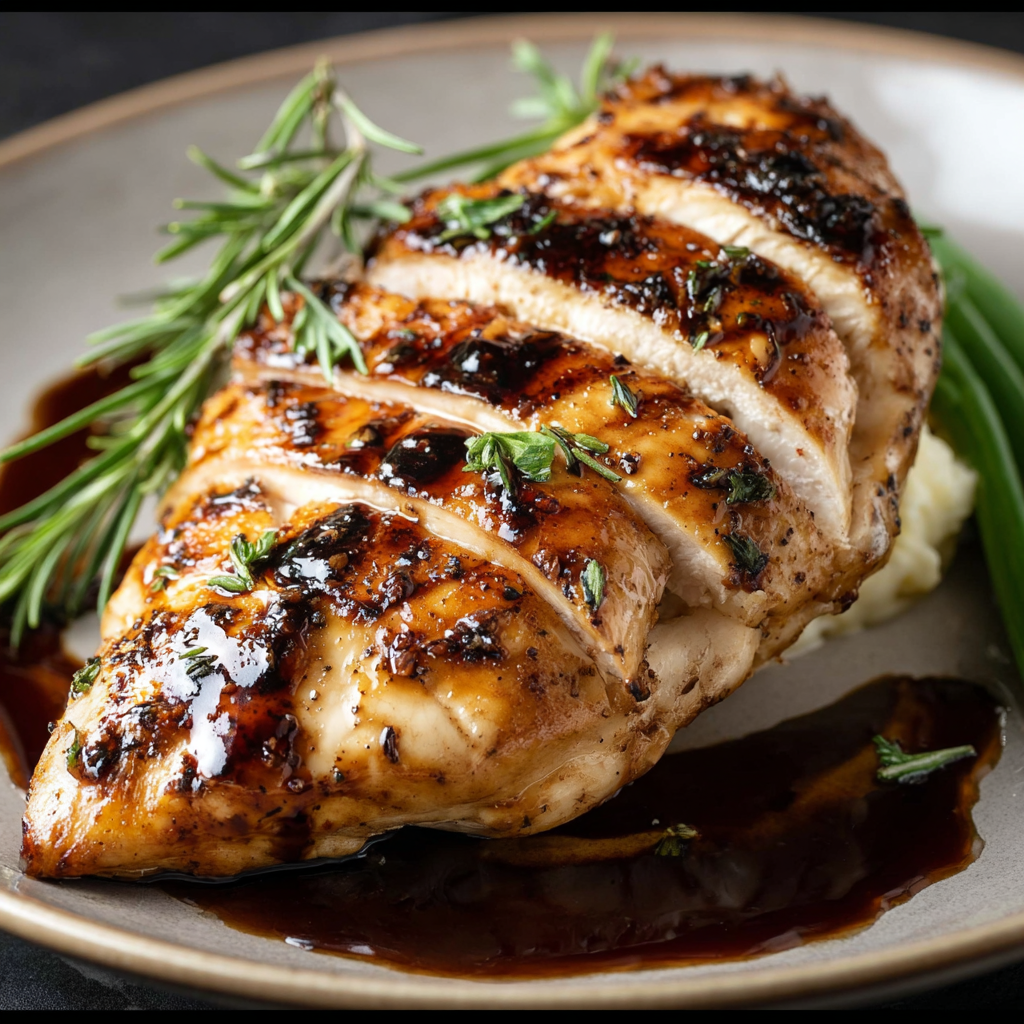
This balsamic-glazed chicken breast is one of those dishes that turned an ordinary weeknight into a small celebration at our table. I discovered this combination during a low-key Sunday dinner when I wanted something quick but not boring; the bright sweetness of balsamic vinegar balanced with a touch of honey transformed plain chicken into something surprisingly elegant. The texture is what sold the dish: a caramelized exterior, slightly sticky from the glaze, giving way to a tender, juicy interior. It became an instant favorite—my partner asked for it again the following week, and friends who tasted it at a casual dinner asked for the recipe on the spot.
What I love most is how approachable the technique is. No complicated ingredients or long marinating times are required to get restaurant-like results: just basic pantry staples, a hot skillet, and a few minutes of careful attention to reduce the glaze to a glossy finish. The garlic and dried herbs give savory depth while the balsamic provides acidity and a rounded sweetness. I usually cook this when I want a meal that feels special but takes under an hour from start to finish—perfect for busy evenings or a laid-back dinner with friends.
In my family, this recipe became a favorite because it felt indulgent without being fussy. I remember serving it for a small holiday lunch—guests raved about the glossy glaze and how the simple basil garnish brightened every bite. Over time I refined the garlic-to-honey ratio based on those first reactions; now the balance consistently gets compliments.
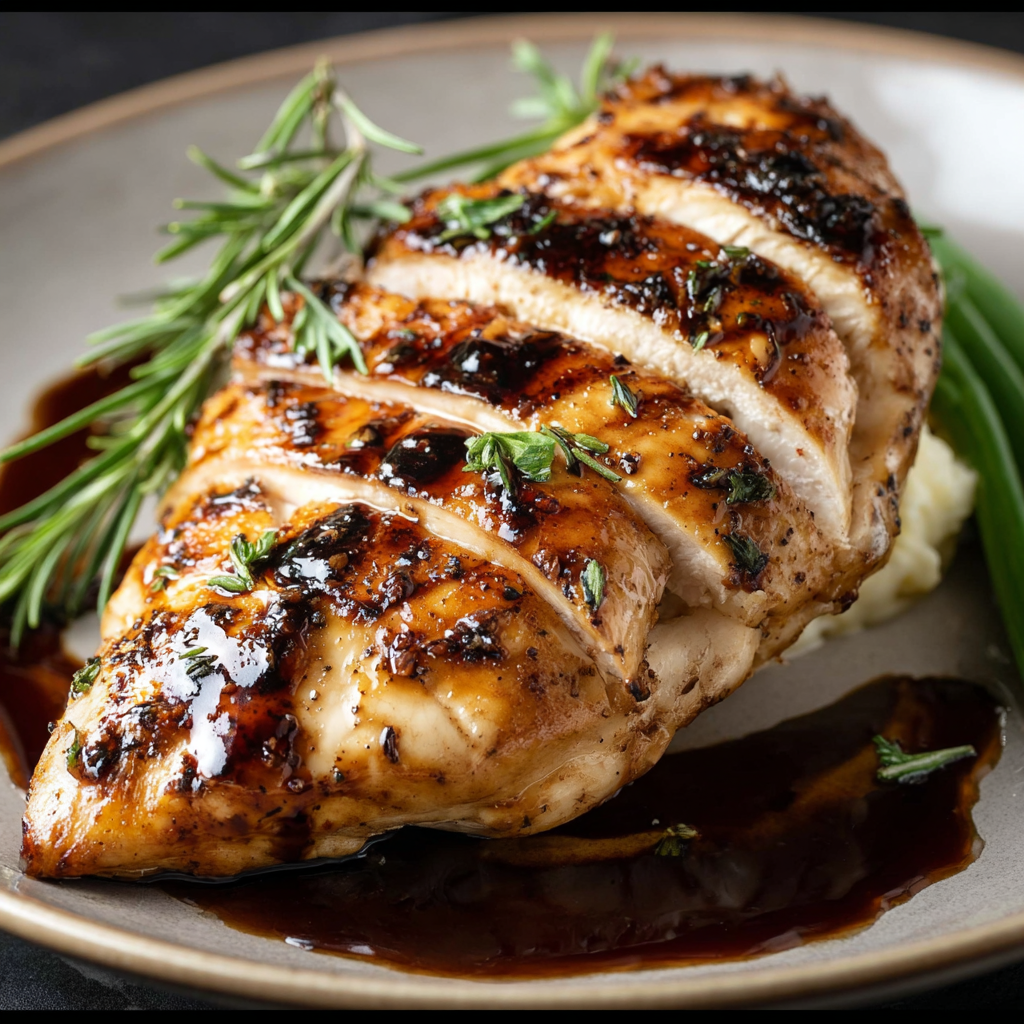
My favorite thing about this preparation is how forgiving it is—small differences in heat or thickness won’t ruin the outcome as long as you follow the searing then glaze method. A simple garnish of basil elevates the plate visually and aromatically, reminding me of warm summer evenings cooking outdoors.
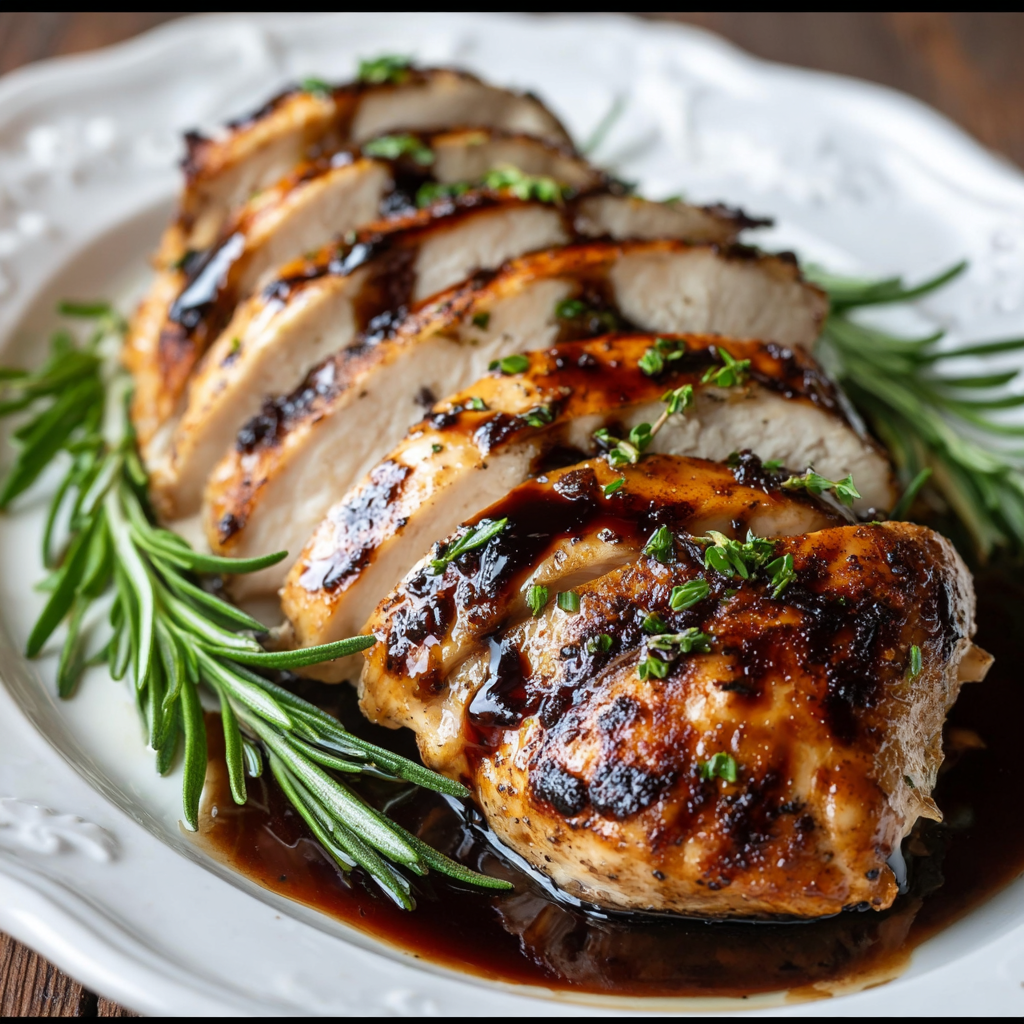
Store cooled portions in airtight containers. In the refrigerator, they will keep for up to three days—label containers with the date to stay safe. For longer storage, freeze individual breasts wrapped tightly in plastic wrap and placed in a freezer bag for up to 3 months. When reheating, thaw overnight in the refrigerator and reheat gently in a skillet with a splash of water or balsamic to loosen the glaze; avoid the microwave when possible as it can dry the chicken unevenly.
If you don’t have balsamic, a mixture of red wine vinegar and a touch of brown sugar can mimic the acidity and sweetness (use 3 tablespoons red wine vinegar + 1 teaspoon brown sugar to replace 1 tablespoon balsamic). Swap honey for maple syrup or agave for a different floral note—reduce the quantity slightly if using a very sweet syrup. For herb variations, rosemary or marjoram work well; if using fresh herbs, increase the quantity to about 1 tablespoon of each finely chopped.
Serve sliced over a bed of butterless mashed potatoes, creamy polenta, or alongside roasted root vegetables. For a lighter option, slice the chicken and toss with arugula, shaved Parmesan (optional), cherry tomatoes, and a drizzle of reserved glaze for a quick warm salad. Garnish with basil or microgreens and serve with crusty bread to mop up the glossy sauce.
This preparation has Mediterranean roots—combining olive oil, garlic, and herbs with vinegar is a classic approach to balancing acidity and richness. Balsamic vinegar, originating from Modena in Italy, adds a distinctive sweet-tart profile that has been embraced worldwide. The method—searing meat then finishing with a reduced sauce—is a staple of many European kitchens and translates beautifully to simple poultry dishes.
In summer, highlight fresh tomatoes and basil—add halved cherry tomatoes to the pan in the last few minutes to create a quick, juicy accompaniment. In winter, roast root vegetables and toss them with the reduced glaze for an earthy-sweet pairing. For holiday dinners, double the glaze and use it to finish a platter of roasted chicken breasts alongside rosemary-roasted potatoes.
For weekly meal prep, cook a double batch and store portions in shallow meal-prep containers with a separate compartment for a small salad or steamed vegetables. Keep the glaze slightly loose—add a teaspoon of water when reheating to restore gloss. Packing sliced chicken over cold grain salads (farro, barley) creates hearty lunches that benefit from the tangy balsamic notes.
Finish: This balsamic-honey chicken is one of those dependable dishes that feels special without being complicated—perfect for the home cook who loves flavors that sing and techniques that respect the ingredient. Make it once, tweak it to your taste, and it will become a staple in your repertoire.
Pat chicken completely dry before searing to encourage browning and prevent steaming.
Reserve a small amount of the marinade before adding raw chicken to the bowl; use it to finish the sauce to avoid cross-contamination.
Use a meat thermometer and remove the chicken at 160°F; it will come up to 165°F while resting.
When reducing the glaze, keep the heat moderate to avoid burning the honey.
If the glaze becomes too thick after cooling, stir in 1 teaspoon of warm water to loosen it before reheating.
This nourishing balsamic-glazed chicken breast recipe is sure to be a staple in your kitchen. Enjoy every moist, high protein slice — it is perfect for breakfast or as a wholesome snack any time.
Yes. Refrigerate leftovers within two hours in an airtight container for up to 3 days. Reheat gently in a skillet with a splash of water or balsamic.
If breasts are very thick, butterfly or pound to an even 3/4-inch thickness so they cook evenly.
This Balsamic-Glazed Chicken Breast recipe makes perfectly juicy, tender, and flavorful steak every time! Serve with potatoes and a side salad for an unforgettable dinner in under 30 minutes.
Pat breasts dry, season with salt and pepper. Whisk balsamic, olive oil, honey, minced garlic, oregano, and thyme in a bowl until combined. Reserve 1–2 tablespoons if you want extra finishing sauce.
Place chicken and marinade in a shallow dish or resealable bag. Marinate at room temperature for 15–20 minutes or refrigerate up to 2 hours. Avoid overnight marinating to prevent texture change from the acid.
Heat a heavy skillet over medium-high. Add 1 tablespoon oil and sear chicken 3–4 minutes per side until golden. Do not overcrowd the pan; work in batches if needed.
Lower heat to medium-low, add remaining marinade to the pan, and spoon glaze over the breasts as it simmers. Cook until internal temperature reaches 160–165°F and the glaze is reduced and glossy, about 6–8 minutes.
Remove from pan and rest 5 minutes. Reduce sauce if needed to a syrupy consistency and spoon over chicken. Garnish with fresh basil before serving.
Last Step: Please leave a rating and comment letting us know how you liked this recipe! This helps our business to thrive and continue providing free, high-quality recipes for you.
Leave a comment & rating below or tag
@festive-cooks on social media!
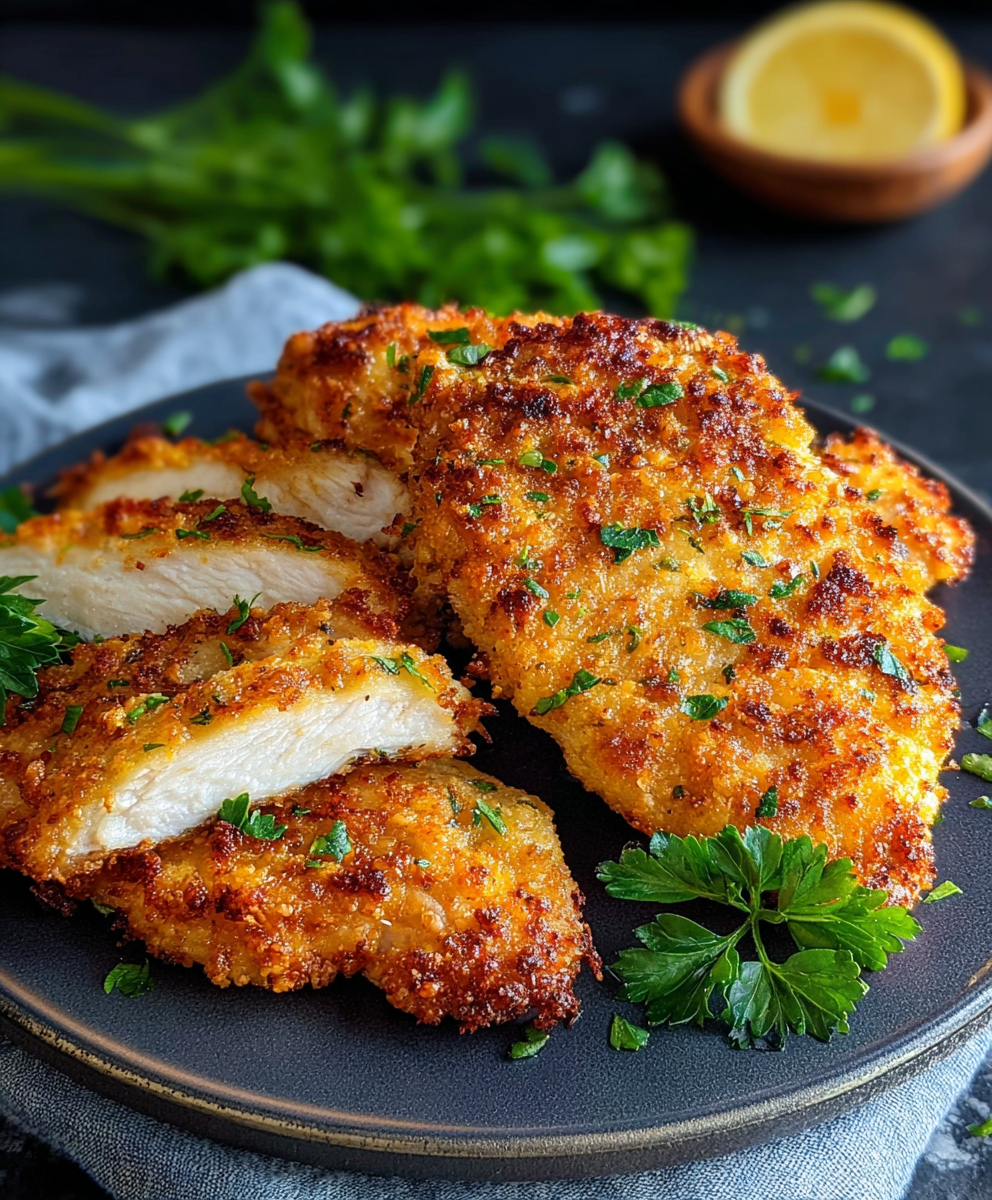
Crispy, golden Parmesan crusted chicken made in the air fryer for a quick family favorite that stays juicy inside and crunchy outside.
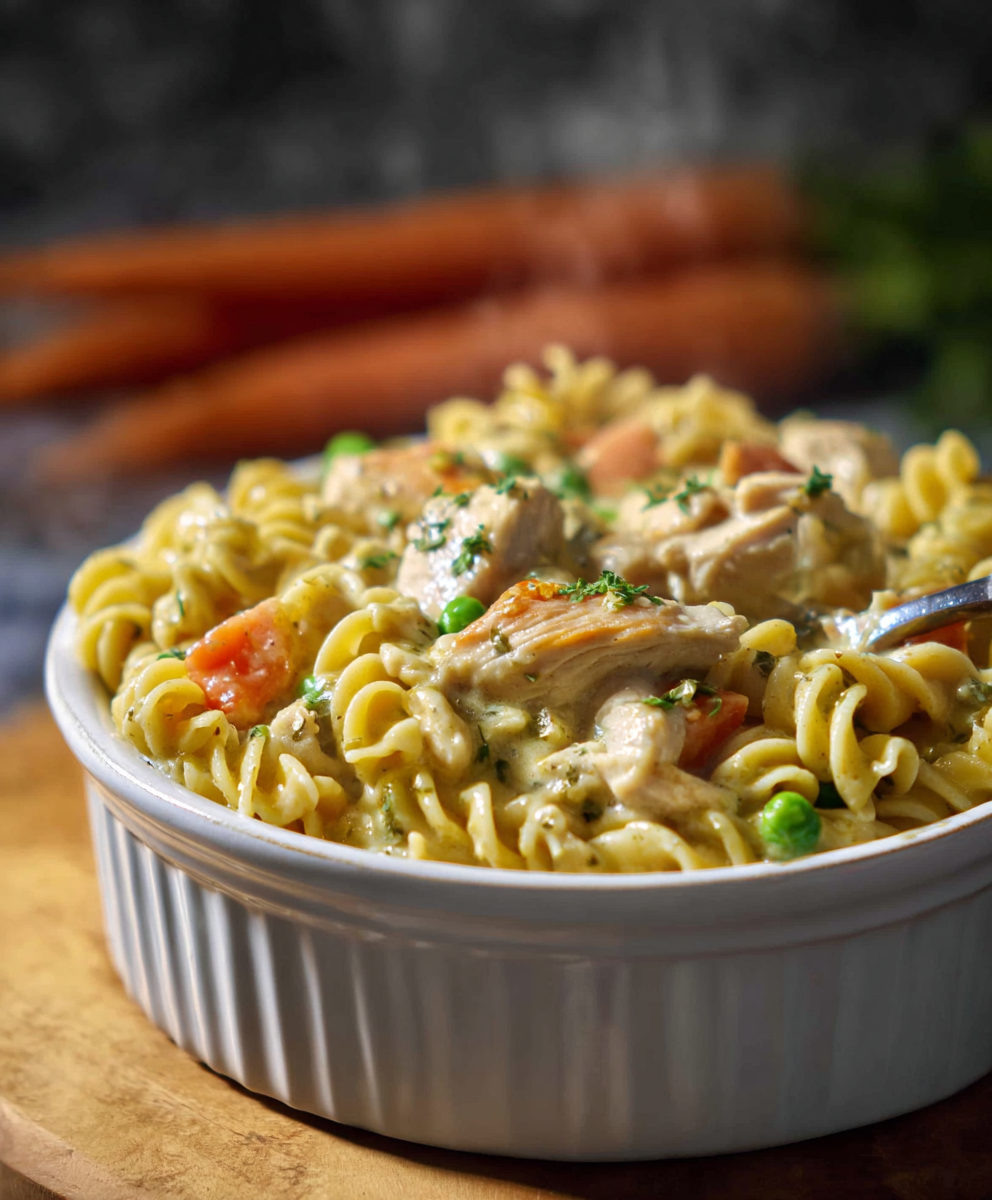
A cozy one-skillet mashup of pot pie comfort and egg noodle ease—ready in about 35 minutes and perfect for weeknight dinners.
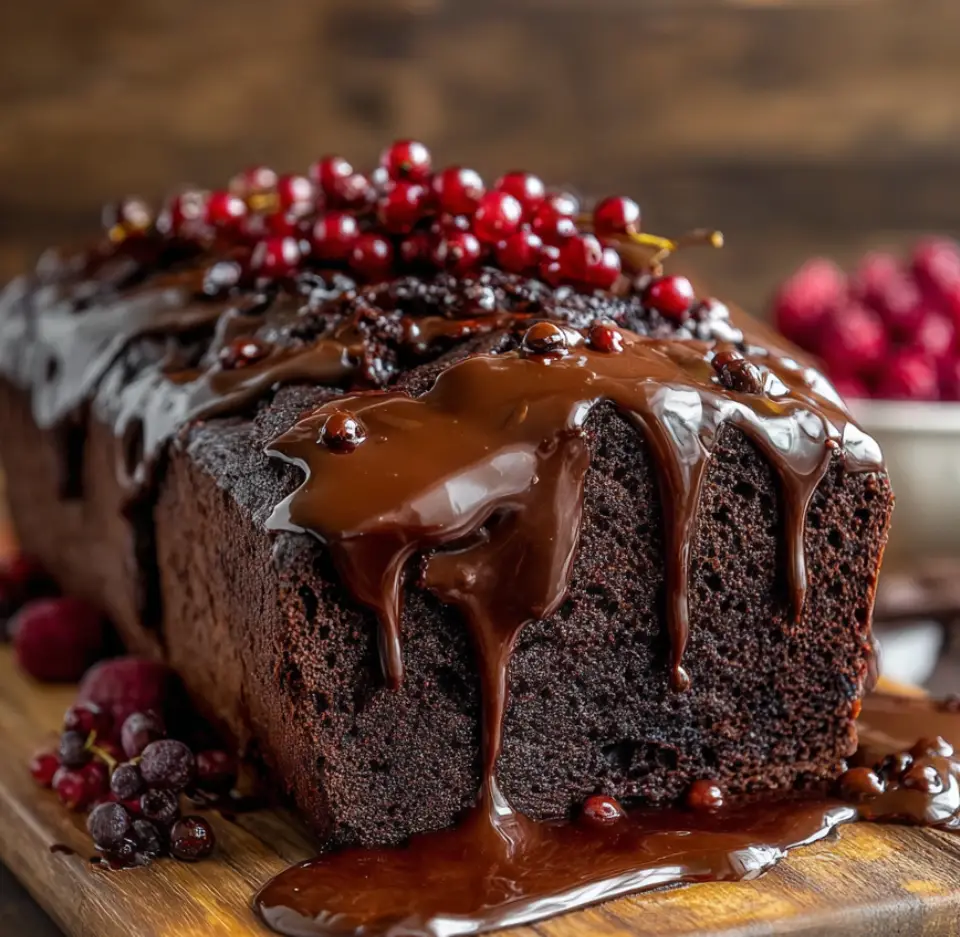
A gooey, chocolate-packed loaf with a molten hot-fudge swirl — brownie texture in bread form, perfect warm with a scoop of ice cream.
Leave a comment & rating below or tag @festive-cooks on social media!
Enjoyed this recipe? Share it with friends and family, and don't forget to leave a review!
This recipe looks amazing! Can't wait to try it.
Comments are stored locally in your browser. Server comments are displayed alongside your local comments.

Join to receive our email series which contains a round-up of some of our quick and easy family favorite recipes.